The Risk of Leadership
PRIMO Res Publica | March 2026
We entered our news and reports into our database, combined them with our surveys related to the FORTE® Framework, a scan of our LinkedIn network posts and asked our AI companion to summarize the headlines as of 23 March 2026.
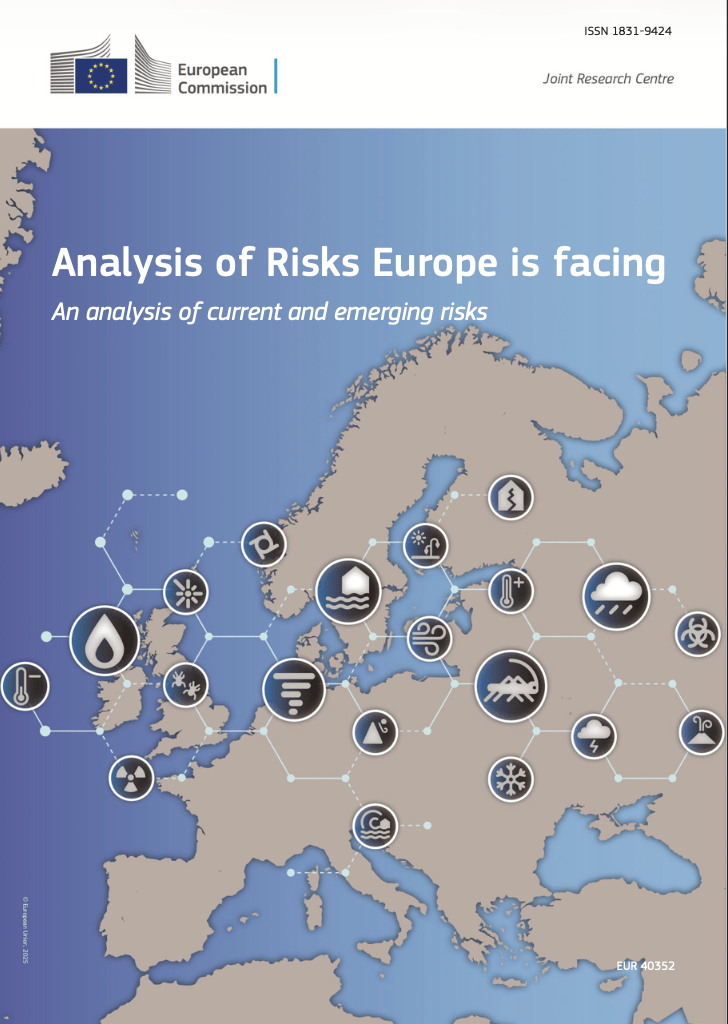
The results are highly recognisable and comparable with recent surveys by the United Nations, the European Commission, and the World Economic Forum. The results are, in our view, the starting point for action; however, the question arises, by whom exactly?. The fact is that the government and its political leaders are the main players involved in public values and play a dominant role in causing public risks, as mentioned. It seems that leadership itself is under the microscope, and the main factor behind the subtitle of this reporting: ‘the Risk of Leadership’.
Definitions
We used the following definitions.
- “Public value refers to the value created by the government through laws, regulations, services, and any other action. In a democratic society, this value is defined by the public itself. Value is determined by citizens’ preferences expressed in a variety of ways, and thus it provides a rough yardstick against which to gauge the public institutions and government policies.” Moore (1995).
- Public Risk is defined as ‘possible harm to a chosen public value’, as derived from Kates & Kasperson (1983) and Renn & Klinke (2002).
Public Values
Based on recent Eurobarometer surveys and European public debates (2024-2025), the public values most mentioned as being at stake for European citizens are fundamentally linked to democracy, security, and social cohesion. These values are seen as vital to maintaining stability in a turbulent geopolitical environment. The most frequently mentioned public values at stake include:
Lees verder



 PRIMO Res Publica