Rotterdams politiek-bestuurlijk waardenkader algoritmes 2025

Begeleidend schrijven 14 april 2025, ter achtergrond bij het raadsvoorstel

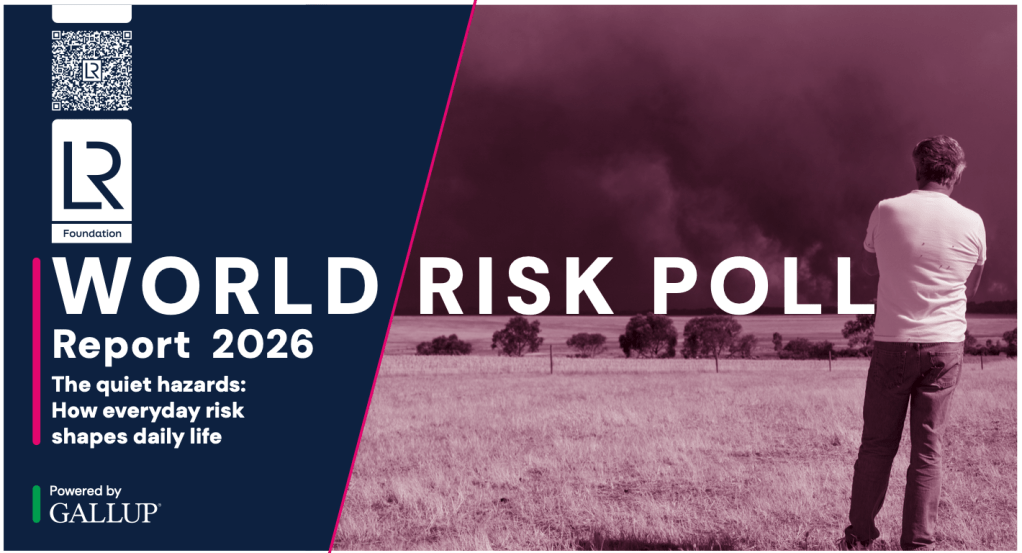
Gemeente Rotterdam | april 2025

“De technologische ontwikkelingen op het gebied van algoritmen en AI (kunstmatige intelligentie) gaan snel. Om de dienstverlening naar de Rotterdammer te borgen en te verbeteren, maakt de gemeente gebruik van algoritmetoepassingen. De gemeente erkent dat dit risico’s met zich meebrengt. Daarom wordt gewerkt aan de hand van een algoritmegovernance. Deze governance is in 2022 vastgesteld.

Op 13 mei 2024 schrijft de Rekenkamer in het vervolgonderzoek naar algoritmes over de rol van het bestuur: “We hebben het de titel ‘Kleur bekennen’ gegeven, om duidelijk te maken dat ondanks alle verbeteringen die de rekenkamer heeft vastgesteld, er ook nog het nodige moet gebeuren om tot een verantwoorde ontwikkeling en inzet van algoritmes te komen. Het belangrijkste is het besef dat ethische risico’s om politieke afwegingen vragen. Als de politiek de kaders niet stelt, dan moeten ambtenaren afwegen wat goed of fout, eerlijk of oneerlijk, gewenst of ongewenst, acceptabel of een brug te ver is. Dat is niet goed en vormt een (onnodig) risico, zoals de afgelopen jaren is gebleken bij verschillende overheidsorganisaties.”

Lees verder

Portfolio en

In 2024, the PRIMO Europe board confirmed its portfolio. The portfolio was considered complete and promising for further development. The focus is that products and services should refocus more than ever on establishing public values and helping members become better equipped to be more effective in decision-making. It is the conviction that, based on experiences over the last few years with our roundtables, think tanks, and education, the perspective on risk has shifted towards true delivery, effectiveness, success, and performance.

Our members need models, tools, and techniques that provide genuine insight into matters, challenges, and issues related to public values and deliver effective solutions. The more general path of promoting frameworks or focusing on generic culture change is less favored. For effective navigation in times of high dynamics, a greater focus on systems thinking and resilience is needed. In view of the current positioning and development of risk management within the public domain, the conclusion is drawn that the needs of organisations working in or for the public domain have broadened considerably to include offering quality, safety, security, performance, precaution, continuity and reliability.

Lees verder

The Public Design Evidence Review: Public Value

UK Cabinet Office | July 2025

The Public Design Evidence Review (PDER) explores the role and value of design in the public sector. An overview of the report package can be found below.

“This document is the second of three literature reviews commissioned by the cross-government Policy Design Community and written by an interdisciplinary team of academics. It discusses the concept of public value, its origins, measurement, and application in public administration, emphasising the need for professionalisation to enhance public value delivery. The wider project was commissioned as a non-exhaustive exploration of the relationship between public design and public value. It was conducted within rapid timeframes and prioritised cross-disciplinary working.

Lees verder

Public Value in Public Service Transformation

Working with change

OECD | December 2019

Since its founding in 2005, PRIMO Europe has focused on putting public value at the center, with good governance at its core (including effectiveness, design thinking, high-reliability organisation principles, scenario analysis, SWOT, the precautionary principle, premortem, and the FORTE Framework). Delivery of projects, programs, and policies is key to our network.

Public risk as a ‘possible harm to public value’ is considered a metaphor for the result of bad, not that, or not-so-good governance, and its attached leadership. Mark Moore’s definition of public value is the starting point for our products and services. This report addresses the key developments affecting our network of governors, managers, and their teams. An inspirational report.

Summary

“The rise of platform economies, new consumption patterns and innovative technologies are transforming both service delivery and people’s lives in general. Smart solutions are entering our everyday lives and digitalisation and datafication of everything is the norm. In political economy, short-term considerations seem to prevail, while long-term challenges with cascading effects (like climate change and demographic shifts) are already being felt. Governments around the world are facing an unprecedented transformation process, where systems that have worked and delivered results in prior decades are being questioned.

Lees verder

Developing a Risk Maturity Model

A comprehensive risk maturity model for Dutch municipalities

Ignacio Jose Cienfuegos Spikin | 2013

Risk management is a trend in almost every sector. Public organisations such as local authorities are lagging behind in this area, but they now have a new support model at their disposal. Ignacio Cienfuegos Spikin, originally from Chile and a PhD graduate of the University of Twente in 2013, investigated the state of risk management within local authorities. He tested a ‘Risk maturity model’ he had developed across 72 local authorities. “The model provides valuable information to decision-makers”.

Ignacio Jose Cienfuegos Spikin: “Following the trend of organizations from almost every sector now, public entities such as municipalities have also started to develop risk management awareness in the last decades. Related to the pressure of a more demanding environment and the incidents that these organizations have experienced, this process has led to the development of special standards and the design of risk management policies by central governments.

Lees verder

Leadership in Risk Management

Marie-Gemma Dequae (ed.) with HBR Analytics Services for FERMA, Zurich and PRIMO | 2013

THE C-SUITE IS taking a stronger role in leading the risk management effort at major primarily European companies, underscoring the higher priority risk has assumed in the wake of several years of financial and economic turmoil. Congruently, companies are underscoring the need for strong board involvement to facilitate decision-making regarding strategic and enterprise-wide risks and to encourage acceptance of a culture of risk management further down in the organization. Companies are struggling, however, to create a wider role for the risk function as a participant in strategic planning and transformational initiatives. And European executives express concern about the robustness of their risk management processes and channels of communication.

Vast changes in how business is done, sparked by the technology revolution and globalization, are meanwhile raising concerns about company and brand risk. These and other challenges are prompting companies to devote more resources to defining their risk appetite and to tracking, measuring, and analyzing risk through such tools as “heat maps,” key risk indicator scorecards, scenario analysis, and loss forecasting. The challenge, however, some executives said, is still to make sure that risk is “owned” at appropriate levels of the organization and that risks are communicated efficiently, such that top management and the board can make timely, fact-based decisions about how to address them.

Lees verder

Kijk op vluchtelingenvraagstuk

Een beschouwing vanuit waarde- én risicoperspectief

Jack Kruf | juni 2016

In dit essay beschouw ik het vluchtelingenvraagstuk vanuit waarde- en risicoperspectief. Ik kom tot een aantal overdenkingen. Het voorliggende vraagstuk gaat in mijn ogen over onze gezamenlijke bereidheid en capaciteit om vluchtelingen te willen en te kunnen opvangen en in te passen in onze samenleving. Het vraagstuk beroert ons zeer.

Jack Kruf

De dynamiek is groot. Ons democratisch stelsel piept en kraakt. De samenleving spreekt zich uit over de letterlijke en figuurlijke grenzen. Dat is ook een politiek-bestuurlijk vraagstuk. De publieke waarde ‘balans en cohesie in de samenleving’ komt onder druk met de grote instroom. Politici en bestuurders spreken over publieke risico’s en hoe we het anders moeten doen.

Waarden en risico’s

Mark Moore definieert publieke waarde als ‘de waarde die de overheid creëert door zijn burgers en die burgers waarderen’. Deze soort waarden zijn niet alleen verankerd in de Nederlandse grondwet, maar bijvoorbeeld ook in de Geneefse conventies, de Rechten van de Mens en de Four Freedoms van Roosevelt. 

Lees verder