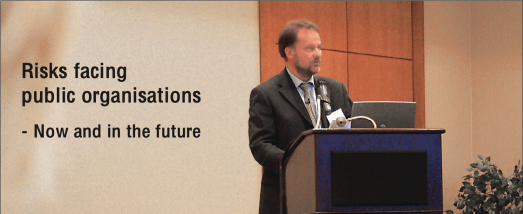
At his farewell lecture as director of PRIMO Netherlands, Mayor Paul Depla of Breda presented Jack Kruf with a Royal Decoration on Friday, March 19. Kruf has been appointed Officer in the Order of Orange-Nassau. Jack Kruf has spent more than twenty years putting risk management on the map within the public sector in Europe and the Netherlands.
fr • Lors de sa conférence d’adieu en tant que directeur de PRIMO Pays-Bas, le maire Paul Depla de Breda a remis une décoration royale à Jack Kruf le vendredi 19 mars. Kruf a été nommé Officier dans l’Ordre d’Orange-Nassau. Jack Kruf a passé plus de vingt ans à mettre la gestion des risques sur la carte au sein du secteur public. Il l’a fait à la fois en Europe et aux Pays-Bas.
nl • Bij zijn afscheidslezing als directeur PRIMO Nederland heeft burgemeester Paul Depla van Breda vrijdag 19 maart een Koninklijke Onderscheiding uitgereikt aan Jack Kruf. Kruf is benoemd tot Officier in de Orde van Oranje-Nassau. Jack Kruf heeft zich meer dan twintig jaar ingezet voor het op de kaart zetten van risicomanagement binnen de publieke sector. Dat deed hij zowel in Europa als in Nederland.
Paul Depla, Mayor of the City of Breda, in his speech to Jack Kruf, with his wife Marij Zegers at his side.
Connecting factor
At the end of the lecture, Mayor Depla praised Kruf’s efforts as a connecting factor within the city: “Breda is a city where connections are made; Jack is an example of this. He brings science and practice together.” Kruf reacted in surprise and moved to his appointment.
fr • À la fin de la conférence, le maire Depla a salué les efforts de Kruf en tant que facteur de connexion au sein de la ville: « Breda est une ville où des connexions sont établies, Jack en est un exemple. Il réunit la science et la pratique. » Kruf a réagi surpris et s’est déplacé à sa nomination.
nl • Aan het eind van de lezing roemde burgemeester Depla de inzet van Kruf als een verbindende factor binnen de stad: “Breda is een stad waar verbindingen tot stand worden gebracht, Jack is hier een voorbeeld van. Hij brengt wetenschap en praktijk bij elkaar.” Kruf reageerde verrast en ontroerd op zijn benoeming.
Theme
The central theme in his farewell lecture to PRIMO Netherlands was ‘What have we learned from 2020? On the revaluation of public values.’ The lecture was live-streamed for PRIMO members/
fr • Le thème central de sa conférence d’adieu de PRIMO Pays-Bas était « Qu’avons-nous appris de 2020 ? Sur la réévaluation des valeurs publiques’ La conférence était destinée aux membres de PRIMO à suivre via un livestream.
nl • Centraal thema in zijn afscheidslezing van PRIMO Nederland was ‘Wat hebben wij geleerd van 2020? Over de herwaardering van publieke waarden’ De lezing was voor de leden van PRIMO te volgen via een livestream.
PRIMO
Jack Kruf is PRIMO Europe’s founding father, co-founder, and former director of PRIMO Netherlands. PRIMO supports its members in risk management at the European level and in the Netherlands through knowledge sharing and a broad-based education program.
fr •Jack Kruf est « le père fondateur » de PRIMO Europe et est co-fondateur et ancien directeur de PRIMO Pays-Bas. PRIMO soutient ses membres dans le domaine de la gestion des risques, tant au niveau européen qu’aux Pays-Bas. Elle le fait grâce au partage des connaissances et à un vaste programme d’éducation.
nl • Jack Kruf is ‘de founding father’ van PRIMO Europe en is medeoprichter en oud-directeur van PRIMO Nederland. PRIMO ondersteunt zowel Europees als in Nederland haar leden op het gebied van risicomanagement. Dat doet ze door kennisdeling en een breed opgezet onderwijs programma.
Final word
Jack Kruf: “A moment that makes me quiet and humble, partly because of the special words of Mayor Paul Depla. Grateful and honoured. Special thanks to chairman Jan Paul Woudstra, event manager Esther van Zijp, director Frank Havik, colleagues Ed Mallens and Tom Wustenberghs and last but not least, my co-referent Professor Leen Paape with whom I was allowed to give the lecture, all those present at the webinar and of course my dear family. The fact that they were allowed to be here during lockdown was extraordinary.”
fr • Jack Kruf: « Un moment qui me rend calme et humble, en partie à cause des paroles spéciales du maire Paul Depla. Reconnaissant et honoré. Un merci spécial au président Jan Paul Woudstra, à la responsable de l’événement Esther van Zijp, au directeur Frank Havik, à son collègue Ed Mallens et à Tom Wustenberghs et enfin et surtout mon co-référent le professeur Leen Paape avec qui j’ai été autorisé à donner la conférence, toutes les personnes présentes au webinaire et bien sûr ma chère famille. Le fait qu’ils aient été autorisés à être là en période de confinement était très spécial. »
nl • Jack Kruf: “Een moment dat mij stil en nederig maakt, mede door de bijzondere woorden van Burgemeester Paul Depla. Dankbaar en vereerd. In het bijzonder dank aan voorzitter Jan Paul Woudstra, event-managener Esther van Zijp, directeur Frank Havik, collega Ed Mallens en Tom Wustenberghs en last but not least mijn co-referent professor Leen Paape met wie ik de lezing mocht verzorgen, alle aanwezigen bij het webinar en natuurlijk mijn lieve familie. Dat zij erbij mochten zijn in tijden van lockdown, was wel heel bijzonder.”
_____
Original language: Dutch. Translation in English and French by Deepl.
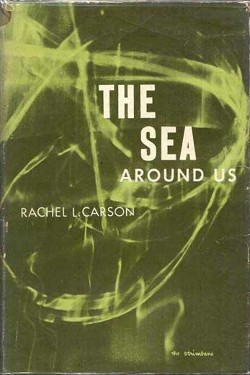
Here is the strange story of the seas – how they were born, how life emerged from them, and the marine world within them. Rachel Carson’s writing teems with images – the newly-formed Earth cooling beneath an endlessly overcast sky; volcanic action throwing up huge masses on the ocean floor to create immense mountains and desolate canyons; giant squid battling sperm whales hundreds of fathoms below the surface.
A new chapter by Jeffrey Levinton brings the science of “The Sea Around Us” up to date. Levinton incorporates the most recent thinking on continental drift, coral reefs, the spread of the ocean floor, the deterioration of the oceans, the mass extinction of sea life, and many other topics. First published in 1951, this work won the 1952 National Book Award.
“Published in 1951, The Sea Around Us is one of the most remarkably successful books ever written about the natural world. Rachel Carson’s rare ability to combine scientific insight with moving, poetic prose catapulted her book… It inspired an Academy Award-winning documentary and won the 1952 National Book Award and the John Burroughs Medal. This classic work remains as fresh today as when it first appeared.”
Today, with the oceans endangered by the dumping of medical waste and ecological disasters such as the Exxon oil spill in Alaska, this illuminating volume provides a timely reminder of both the fragility and the importance of the ocean and the life that abounds within it. Anyone who loves the sea, or who is concerned about our natural environment, will want to read this classic work.
Bibliography
Carlson, R. (1951) The Sea Around Us. Oxford: Oxford University Press
Flooding, school fires, unemployment, urban development and IT safety are some of the large and complicated risk issues for public organisations. These issues are essential to any public CEO who is faced with risks that not only involve the organisation itself but often the whole community. Still, what is the best way to address these significant risks? Should public risk management aim to minimise risks at all times? Or will this approach keep the public organisations from innovating? Although tight budgets in the public sector often set a limit for a proactive approach, the fact that risks have many facets and also positive aspects cannot be ignored.
Allan Vendelbo, President UDITE
These views were repeatedly brought up and recognised by practitioners and experts at the PRIMO conference in Copenhagen on 25 November 2005. Although the conference offered no straight answers to the questions, their importance was clear to everybody.
150 participants from 10 European countries and the US joined the first international PRIMO conference. Some of PRIMO Denmark’s private partners presented their expertise in risk management at pitches in the breaks between the conference talks. Pull-ups flashed colourful logos of insurance, HR, IT and finance companies.
Jan Willem Dijk, Theo Dijkstra, Eric Frank en Jack Kruf | 4 juni 2015
Over een paradox en de zoektocht. Een essay naar aanleiding van een ronde tafel op uitnodiging van de gemeenten Assen, Groningen en Leeuwarden. Een multidisciplinair gezelschap buigt zich over de volgende vraag: ‘Wat zijn belangrijke waarden in het krachtenveld tussen cijfers en controle aan de ene kant en waarden en vertrouwen aan de andere kant?’
Het gezelschap wordt welkom geheten door Jan Willem Dijk, gastheer namens het PRIMO-lid de gemeente Assen. Noord-Nederland wordt in nieuw perspectief geplaatst. Gespreksleider Jack Kruf begint met een voorstelronde zodat eenieder weet wie aan tafel zit, wat zijn of haar achtergrond is en de fascinatie met het thema. Hij benadrukt de veelzijdigheid in vakgebied (techniek, gemeente, waterschap) en functie (raadslid, wethouder, controller, gemeentesecretaris) deze middag en onderstreept het belang daarvan voor een dialoog die ons kan helpen in het vinden van de weg die leidt van cijfers en controle naar waarden en vertrouwen. Download het verslag (inclusief foto’s).
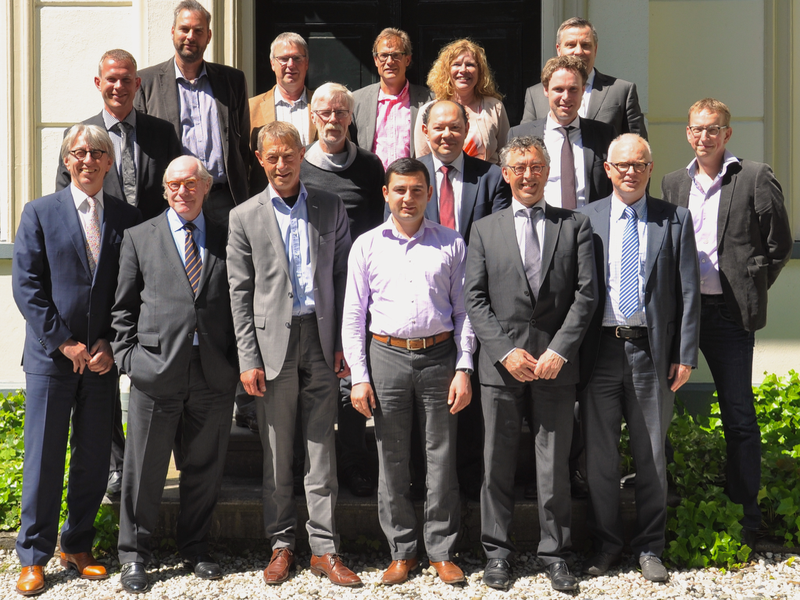
De deelnemers aan de Ronde Tafel. Tweede rij v.l.n.r.: Theo Dijkstra (gemeente Groningen én Assen, alleen deze dag), Lucas-Jan Hooykaas (Wetterskip Fryslân), Theo Berends (gemeente Eemsmond), Kees Swagerman (gemeente Oldambt), Wouter Slob (gemeente Medemblik), Arnold van Kampen (gemeente Rotterdam), Jeltje Hoekstra-Sikkema (gemeente Terschelling), Atze Dijkstra (Samenwerkingsverband Noord-Nederland), Harry Bevers (gemeente Leeuwarden). Eerste rij v.l.n.r. Jack Kruf (PRIMO Europe), Eric Frank (PRIMO Nederland), Huibert van Wijngaarden (RISNET), Ilhan Tekir (gemeente Utrecht), Arie van Eck (gemeente Rijssen-Holten), Jan Willem Dijk (gemeente Assen), Kees Tillema (Universiteit Groningen).
De gespreksleider licht kort toe hoe de vereniging PRIMO is ontstaan. Op 1 april 2005 is in Straatsburg de vereniging opgericht door de Europese Vereniging van Gemeentesecretarissen (UDITE). Op 6 oktober 2006 volgde de oprichting van PRIMO Nederland door de toenmalige Bank Nederlandse Gemeenten (BNG), Ministerie van Binnenlandse Zaken en Koninkrijksrelaties (BiZa) en de Vereniging van Gemeentesecretarissen (VGS). Hij gaat kort in op het toenemend belang voor en de behoefte van publieke leiders en managers aan resultaatsturing en het management van risico’s daarbij. Risicomanagement wordt steeds meer gezien als een integraal onderdeel van goed publiek bestuur.
PRIMO is erop gericht kennis te delen over de grenzen van landen, regio’s en gemeenten heen. Er valt veel van elkaar te leren. Welkom bij deze ronde tafel, waar vrijuit gesproken moet worden.
De wereld van risicomanagement is een bijzondere wereld. Er zijn vele methoden en technieken, softwareprogramma’s, maatstaven, surveys en vooral experts. Het is een ware cloud die boven ons hangt, van concepten, vermeende onzekerheden, onbekendheden, krachten die wij niet kennen, zwarte zwanen, soms ook witte zwanen, van gevaren die als gieren lijken te cirkelen. Soms heb ik het gevoel in een wereld rond te lopen van talismannen, doemdenkers, toekomstvoorspellers, waarzegsters, bezweerders, demagogen, priesters, druïden en predikers die praten over een mogelijke toekomst.
Jack Kruf
De demagogie van onzekerheid is de kaart die wordt gespeeld. Het is business. Jawel. Sterker wereldwijd gaat het grote geld hierin om. Tenminste tot nu toe. Is de kaart van ‘onzekerheid’ in dit bouwwerk wel de juiste? Met COVID-19 gaat alles veranderen en rollen wij vanzelf de kant op van de kennis die we hebben, van top-crisismanagement met geijkte inzichten en methoden, van denken in systemen en ketens, van evenwicht, van het belang van diversiteit, van resilience in haar brede omvatting. Wel zullen wij op zoek moeten om dit echt te vinden, te ontdekken, te cureren en te borgen in onze bestuurlijke systemen.
De recente uitbraak van COVID-19 roept bij mij enkele persoonlijke gedachten op. Natuurlijk worden we geconfronteerd met een crisis en proberen we de verspreiding ervan in te dammen. Maar het lijkt wel alsof we midden in een film zijn beland, in een wereld die voor de meeste mensen vreemd is, waarin buitenaardse wezens onze dierbare planeet proberen over te nemen. Enkele overwegingen vanuit een vertrouwd perspectief in de wereld van waarde- en risicobeheer.
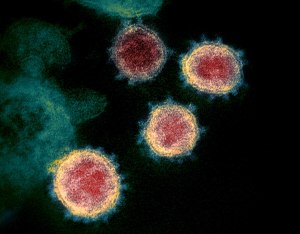
Microscopy image showing SARS-CoV-2. The spikes on the outer edge of the virus particles resemble a crown, giving the disease its characteristic name. (source: Wikipedia).
Zeker of onzeker?
Sommigen zeggen dat we in een volatiele, onzekere, complexe en ambigue (VUCA) wereld leven, en dat deze uitbraak hiermee verband houdt. Persoonlijk denk ik niet op deze manier over de wereld. Dat heb ik nooit gedaan. Ik denk dat we in een zeer geavanceerde wereld leven waar de wetenschap ver gevorderd is en experts zich volledig bewust zijn van de meeste patronen. We leven in een wereld vol zekerheden. VUCA is verzonnen en bestaat naar mijn mening niet.
De wereld in 2020 is naar mijn mening niet complexer dan 10.000 jaar geleden. Misschien heeft het te maken met mijn achtergrond aan de Universiteit van Wageningen (bosecologie en sociale psychologie), maar hoe dan ook, het is mijn overtuiging. De wereldorde is hetzelfde; de volatiliteit en complexiteit zijn hetzelfde als altijd. Ambigu? Ik denk van niet. De manier waarop de wereld zich vandaag de dag aan ons voordoet, is echter anders en intenser. De onderliggende patronen zijn hetzelfde. In elk ecosysteem gelden de wetten van de jungle. Dat was altijd zo, en dat zal altijd zo blijven. De huidige dynamiek volgt dezelfde patronen, van die van het bosecosysteem tot, ja, de wereld van virussen.
Wisten we het?
Ik denk dat we wisten wat er zou komen. De experts wisten het. We hebben epidemieën uitgebreid bestudeerd, erover gerapporteerd aan de wereld en scenario’s opgesteld. Het is een essentieel onderdeel van elk ecosysteem en vormt de kern van veerkrachtdenken. Ik geloof dat we voldoende wetenschappelijke kennis over de planeet hebben om de conclusie te rechtvaardigen dat een epidemie niet complexer, onzekerder of onvoorspelbaarder is dan andere maatschappelijke kwesties waarmee we dagelijks worden geconfronteerd. Als we nalaten of vergeten te handelen, leidt dat tot een crisis. En dat is wat er gebeurde.
Global Risks Report
PRIMO, als de toonaangevende Europese non-profitorganisatie voor Public Risk Management, beschikt over een divers netwerk van publieke leiders en managers in heel Europa. Een van de dingen die opvallen bij de contacten en bijeenkomsten is dat de meeste van onze leden, bestuurders, managers, strategen en beleidsmakers nog nooit hebben gehoord van, onbekend lijken te zijn met, of onvoldoende kennis hebben van de Global Risks Reports van het World Economic Forum (sinds 2005). De rapporten bereiken de politici niet, niet echt. De meesten van hen hebben de rapporten niet gelezen. De meeste lokale leiders en managers noemden het simpele feit dat ‘globaal’ te ver verwijderd is van ‘lokaal’ als de belangrijkste reden hiervoor. Wat wij, PRIMO, ontdekten, was dat de belangrijkste ontwerpen en concepten van bestaande publieke risico’s, afgeleid uit deze mondiale rapporten, niet goed waren verweven met of weerspiegeld in regionale en lokale beleidsplannen. Sommige wel, de meeste niet.
Van mondiaal naar lokaal
Dit is de reden waarom PRIMO in 2014 het initiatief nam om jaarlijks een denktank ‘From Global to Local’ te organiseren in samenwerking met de Europese Federatie van Bestuurders van Lokale Overheden, UDITE. Deze denktank organiseert een transdisciplinair debat over hoe lokaal beheer en bestuur kunnen worden geconcretiseerd als reactie op publieke risico’s die zijn geïdentificeerd via diepgaande interviews en gerespecteerde analyses door wereldleiders, experts en wetenschappers. Elk jaar kiezen we één publiek risico en één uitdaging en ontwikkelen we gedetailleerde aanbevelingen voor lokaal en regionaal bestuur. Voor 2020 hebben we gekozen voor het raakvlak tussen de omgang met geneesmiddelenresten in oppervlaktewater (meren en rivieren), de kwaliteit van drinkwater, het risico voor mens en samenleving, de keten van betrokken organisaties en de daarmee samenhangende aspecten van openbaar bestuur.
In 2019 bespraken we financiële veerkracht; in 2018 de energietransitie; en in 2017 cyberveiligheid, om een idee te geven van de onderwerpen. Bijna elke keer werden we geconfronteerd met de lange weg tussen de mondiale waarden en risico’s en het vermogen om op lokaal, regionaal of provinciaal niveau actie te ondernemen. Ja, zelfs op nationaal niveau.
Corona
Wat epidemieën zoals de COVID-19-pandemie betreft, wijzen we op de systeembrede rapportage van de afgelopen 15 jaar! De conclusies van het laatste Global Risks Report, gepubliceerd in januari 2020, waren hierover in feite heel duidelijk. Simpel gezegd: we wisten dat we zeer kwetsbaar waren voor pandemieën, we wisten dat we een epidemie konden verwachten en ja, we wisten dat we er niet klaar voor waren. Lees alstublieft: Inzichten in de aanpak van het coronavirus uit een eerder rapport over het bedrijfsleven en uitbraken.
We kunnen ook concluderen dat sommigen van ons het zagen aankomen en de scenario’s kenden; het werd door het grote publiek of de meeste publieke leiders niet algemeen aanvaard als een reëel publiek risico. Zijn we het vergeten? Ondanks de vele publicaties was er geen harde, gevoelde of voor de hand liggende noodzaak om scenario’s in onze strategieën en ons beleid op te nemen en er risico- en veerkrachtmanagement aan te koppelen. Nu lijken de meeste maatregelen om de crisis aan te pakken en de feitelijke risico’s te verminderen de afgelopen week te zijn bedacht, besproken en bediscussieerd. En dankzij een rijk (sociaal) medialandschap weten we misschien wel wat waar is en wat niet. Mijn pleidooi is om te luisteren naar de (juiste) experts en naar de mensen die in de frontlinie van de zorg en genezing staan. Onze leercurve is steil, maar het voorkomen van de uitbraak had mogelijk kunnen zijn.
Een gefragmenteerd landschap
De beslissingen die we nemen zijn echter divers en lijken sterk te verschillen per cultuur, land, structuur van het openbaar bestuur en, laten we eerlijk zijn, per type (en zelfs karakter) van leiderschap. We lijken te improviseren. Dit komt deels doordat de beleidsplannen van de meeste lokale en regionale overheden geen melding maakten van dit soort crises of er niet op anticipeerden. De sociale en economische impact ervan werd en wordt nog steeds niet voorspeld of berekend. In de meeste bestaande risicoanalyses van regio’s en gemeenten is het niet terug te vinden in beleidsplannen of risicoparagrafen, terwijl wereldwijde rapporten op grote schaal worden verspreid, besproken en bekend zijn.
Ontkoppeling?
Nou, is deze ontkoppeling tussen het mondiale en het lokale niet surrealistisch, zelfs bizar? Moeten wereldwijd bekende ex-ante scenario’s beter worden geïntegreerd in de kern van lokaal en regionaal openbaar bestuur om te voorkomen dat we afdrijven op de wijde oceaan van ex-post crisisbeheer? Ik denk van wel. Hier ligt een les te leren. Maar om te verbeteren, moeten we zorgvuldiger kijken, want raakvlakken zijn altijd tussen twee spelers. Beck et al. (2013) voerden in Nederland een nationaal onderzoek uit naar de interface tussen nationale kennisinstituten en regionale/lokale overheden. Dit zou mogelijk kunnen worden geëxtrapoleerd naar mondiale kennisinstituten. Zij concludeerden (pagina 38) dat:
• Bijna alle geïnterviewden bij provincies, gemeenten en waterschappen beweren dat zij de publicaties van nationale kennisinstituten volgen, maar dat deze op regionaal niveau altijd te weinig diepgang hebben. Meestal ontbreken regionale en provinciale uitsplitsingen in tabellen of kaarten.
• De geïnterviewden geven ook aan dat de ‘lens’ waardoor nationale kennisinstituten kijken niet scherp genoeg is om de specifieke mix van problemen in hun regio te analyseren. Bovendien is wetenschappelijke kennis als zodanig te moeilijk bruikbaar voor bestuursorganen, omdat deze vaak te gespecialiseerd is en niet direct toepasbaar op beleidsdocumenten, aangezien de resultaten niet zijn vertaald naar relevante beleidsinformatie.
• De mismatch wordt veroorzaakt door het feit dat onderzoek – uitgevoerd door nationale kennisinstituten voor de nationale beleidscyclus – overwegend verkennend en signalerend is, waarbij deze instituten de nadruk leggen op fundamentele wetenschap op nationale schaal, terwijl gedecentraliseerde beleidsmakers juist behoefte hebben aan regionaal toepasbaar beleidsonderzoek dat aansluit bij de beleidspraktijk.”
Nu, met de uitbraak van het coronavirus, worden we dan geconfronteerd met scenario’s die bekend waren, grondig geanalyseerd, als hoog risico beschouwd, uitgewerkt en, in feite, verwacht? En ja, door een combinatie van factoren werden ze niet publiekelijk erkend als grote of cruciale risico’s en werden ze daarom niet vertaald naar, of ingebed in, lokale en regionale plannen. Ik denk dat we dit kunnen concluderen. Citaat uit het Global Risks Report 2020:
“Een recente, in zijn soort unieke, uitgebreide beoordeling van de gezondheidsveiligheid en de daarmee samenhangende capaciteiten in 195 landen bracht fundamentele zwakheden over de hele wereld aan het licht: geen enkel land is volledig voorbereid op het omgaan met een epidemie of pandemie (NIT, 2019). Ondertussen lijkt onze collectieve kwetsbaarheid voor de maatschappelijke en economische gevolgen van crises door infectieziekten toe te nemen.” – World Economic Forum, 2019.
Hoge betrouwbaarheid
Het is de visie en sterke overtuiging van PRIMO dat elke publieke leider – die de leiding heeft over en verantwoordelijk is voor de kwaliteit van beslissingen met betrekking tot het publieke domein van burgers en de samenleving, die zij in feite vertegenwoordigen (gekozen door het volk, het volk vertegenwoordigend en werkend voor het volk) – moet handelen alsof hij/zij deel uitmaakt van een High Reliability Organisation (Weick en Sutcliffe, 2007). In deze benadering van denken en handelen luisteren de leiders van dergelijke organisaties naar experts en handelen ze dienovereenkomstig.
Simpel gezegd: leiders moeten de experts en uitvoerende medewerkers respecteren, en vice versa. Wederzijds respect is de cruciale factor. Wederzijds. Sutcliffe en Weick concludeerden dat in zeer betrouwbare en dus succesvolle organisaties dit principe naar voren komt als de eenvoudige basisregel: als experts spreken, moeten leiders luisteren en dienovereenkomstig handelen, op basis van hun werkelijke inzichten en kennis. Publieke leiders zijn niet anders.
Hier stuiten ze echter op de politieke dimensie van hun leiderschap. Dit zou geen conflicterende factor moeten zijn in crisismanagement. Maar dat was het wel. De term politiek is wat publieke leiders verbindt, wat hen in feite verenigt, in de oorspronkelijke betekenis ervan. De term ‘politiek’ is afgeleid van het Griekse πολιτικά, politiká, wat ‘zaken van de steden’ betekent. Het is deze entiteit, de stad, waar uiteindelijk alle zaken samenkomen. De Amerikaanse politicus O’Neill (1994) stelde: “Alle politiek is uiteindelijk lokaal”.
Tijdens pandemieën moeten nationale leiders ook rekening houden met dit principe. Alle beslissingen werken lokaal uit. Burgemeesters en stadsbestuurders moeten bij alle stappen die we nemen worden betrokken. Eerlijk gezegd mis ik de ‘high-reliability’-benadering tijdens de laatste weken van de versnelling van het crisismanagement.
Holistische benadering
Welnu, we kijken uit naar goed bestuur en naar echt publiek risicomanagement door leiders, deskundigen en wetenschappers. Ik heb er vertrouwen in dat we dit zullen redden. Er staat veel op het spel. Persoonlijk geloof ik in de renaissancekracht van de mens. PRIMO zal bijdragen waar het kan en mag. Het beschikt over een goed ontworpen portfolio gericht op het delen van kennis via media, denktanks, onderwijs, een publiek risicoforum en een bestuurskader, FORTE™, om de dialoog te faciliteren.
Vanuit mijn perspectief is het een pleidooi dat risicorapporten van hoge kwaliteit, zoals hier genoemd of vergelijkbaar, op het nachtkastje van elke publieke leider zouden moeten liggen. Het is gratis begeleiding, niet alleen over het grotere geheel van relevante trends en ontwikkelingen, maar ook over de inzichten die laten zien dat deze direct verbonden zijn met elke lokale gemeenschap, straat, huis en burger. Kennis verbetert de kwaliteit van beslissingen, altijd.
Het is in feite de holistische benadering waarvoor ik pleit. Elk detail is verbonden met het grotere geheel, en vice versa. Holisme is in dit opzicht geen vaag concept, maar een concept van echt beheer van publieke waarde door verbanden te leggen en echt te luisteren. Als PRIMO zetten we ons volledig in voor dit concept, om onze leden te helpen en te ondersteunen bij de dialoog en het delen van de kennis om dit te doen, om goed openbaar bestuur te vinden en vorm te geven.
Bibliografie
Beck, J., Van den Broek, L., & Van Gerwen, O-J. (2013). Kennismaken met decentrale overheden: Een verkennende studie naar de strategische kennisbehoefte van provincies, gemeenten en waterschappen in samenhang met de decentralisatie van het omgevingsbeleid. Planbureau voor de Leefomgeving.
O’Neill, T., & Hymel, G. (1994).
All Politics Is Local: And Other Rules of the Game. Bob Adams, Inc.
NTI (Nuclear Threat Initiative) (2019). Global Health Security Index: Inaugural Global Health Security Index Finds No Country Is Prepared for Epidemics or Pandemics. NTI. Persbericht, 24 oktober 2019. Lees meer
Weick, K., & Sutcliffe, K. (2007). Managing the Unexpected: Resilient Performance in an Age of Uncertainty. Jossey-Bass.
World Economic Forum (2019). Outbreak Readiness and Business Impact Protecting Lives and Livelihoods across the Global Economy. White Paper, in samenwerking met het Harvard Global Health Institute.
*Jack Kruf is president van PRIMO Europe. Dit artikel is op persoonlijke titel geschreven.
The recent outbreak of COVID-19 gives rise to some personal thoughts. Of course, we face a crisis and are trying to limit the outbreak. But we seem to have entered the middle of a movie, in a world, for most people, strange, where aliens are trying to take over our precious planet. Some reflections through some familiar lenses in the world of value and risk management.
Microscopy image showing SARS-CoV-2. The spikes on the outer edge of the virus particles resemble a crown, giving the disease its characteristic name. (source: Wikipedia).
Certain or uncertain?
Some say we are living in a volatile, uncertain, complex, and ambiguous (VUCA) world, and that this outbreak is related to this. I personally do not think along these lines of considering the world. I never did. I think we live in a highly sophisticated world where science is advanced, and experts are fully aware of most patterns. We live in a world full of certainties. VUCA is made up and non-existent in my view.