The Policy Implications of Risk Compensation and Plural Rationalities
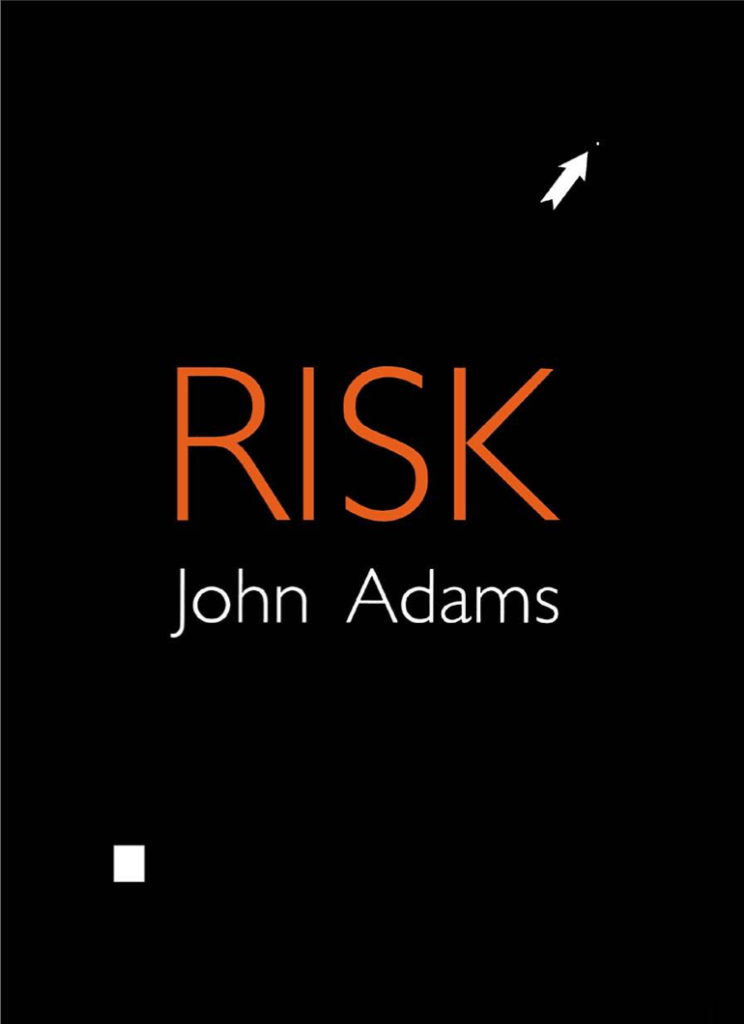
John Adams | 1995
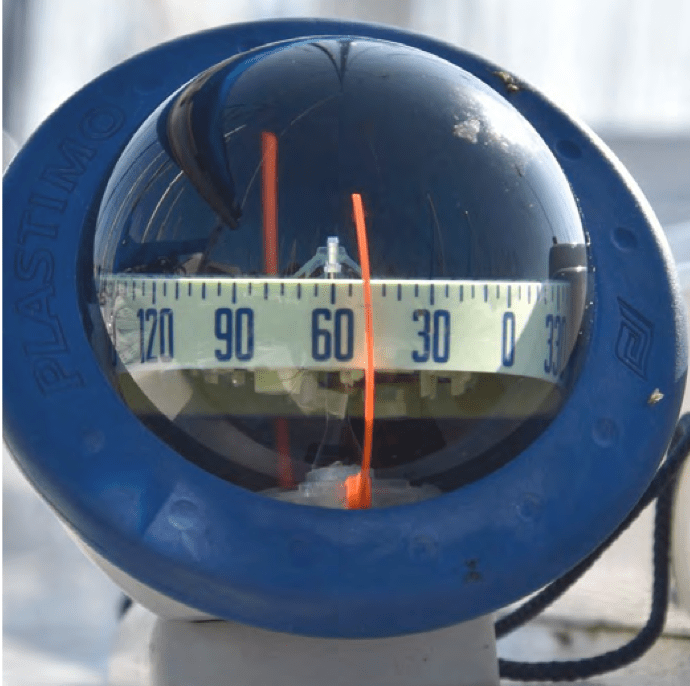
Quote from prologue: “This book began as a collaborative venture with Michael Thompson. For over 15 years my research into risk, mainly on the road, was focused on the theory of “risk compensation”. This theory accords primacy in the explanation of accidents to the human propensity to take risks. The theory postulates that we all come equipped with “risk thermostats” and suggests that safety interventions that do not affect the setting of the thermostat are likely to be frustrated by behavioural responses that reassert the level of risk with which people were originally content. My research had noted that there were large variations in the settings of individual thermostats, but had little to say about why this should be so.
About ten years ago I read Michael’s article “Aesthetics of risk” (Thompson 1980), and about five years later met the man himself. His research into risk over the past 20 years has been central to the development of a perspective that has come to be known as “cultural theory” (Thompson et al. 1990). Risk, according to this perspective, is culturally constructed; where scientific fact falls short of certainty we are guided by assumption, inference and belief. In such circumstances the deterministic rationality of classical physics is replaced by a set of conditional, probabilistic rationalities.
Lees verder