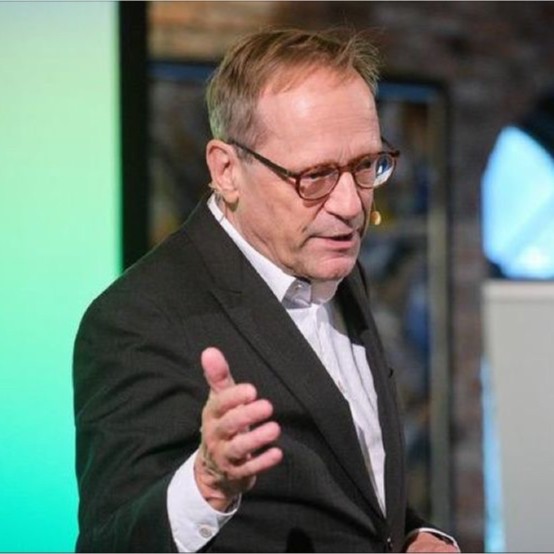
Jack Kruf | maart 2020
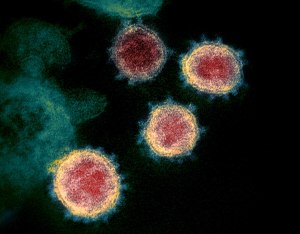
De recente uitbraak van COVID-19 roept bij mij enkele persoonlijke gedachten op. Natuurlijk worden we geconfronteerd met een crisis en proberen we de verspreiding ervan in te dammen. Maar het lijkt wel alsof we midden in een film zijn beland, in een wereld die voor de meeste mensen vreemd is, waarin buitenaardse wezens onze dierbare planeet proberen over te nemen. Enkele overwegingen vanuit een vertrouwd perspectief in de wereld van waarde- en risicobeheer.
Zeker of onzeker?
Sommigen zeggen dat we in een volatiele, onzekere, complexe en ambigue (VUCA) wereld leven, en dat deze uitbraak hiermee verband houdt. Persoonlijk denk ik niet op deze manier over de wereld. Dat heb ik nooit gedaan. Ik denk dat we in een zeer geavanceerde wereld leven waar de wetenschap ver gevorderd is en experts zich volledig bewust zijn van de meeste patronen. We leven in een wereld vol zekerheden. VUCA is verzonnen en bestaat naar mijn mening niet.
De wereld in 2020 is naar mijn mening niet complexer dan 10.000 jaar geleden. Misschien heeft het te maken met mijn achtergrond aan de Universiteit van Wageningen (bosecologie en sociale psychologie), maar hoe dan ook, het is mijn overtuiging. De wereldorde is hetzelfde; de volatiliteit en complexiteit zijn hetzelfde als altijd. Ambigu? Ik denk van niet. De manier waarop de wereld zich vandaag de dag aan ons voordoet, is echter anders en intenser. De onderliggende patronen zijn hetzelfde. In elk ecosysteem gelden de wetten van de jungle. Dat was altijd zo, en dat zal altijd zo blijven. De huidige dynamiek volgt dezelfde patronen, van die van het bosecosysteem tot, ja, de wereld van virussen.
Wisten we het?
Ik denk dat we wisten wat er zou komen. De experts wisten het. We hebben epidemieën uitgebreid bestudeerd, erover gerapporteerd aan de wereld en scenario’s opgesteld. Het is een essentieel onderdeel van elk ecosysteem en vormt de kern van veerkrachtdenken. Ik geloof dat we voldoende wetenschappelijke kennis over de planeet hebben om de conclusie te rechtvaardigen dat een epidemie niet complexer, onzekerder of onvoorspelbaarder is dan andere maatschappelijke kwesties waarmee we dagelijks worden geconfronteerd. Als we nalaten of vergeten te handelen, leidt dat tot een crisis. En dat is wat er gebeurde.
Global Risks Report
PRIMO, als de toonaangevende Europese non-profitorganisatie voor Public Risk Management, beschikt over een divers netwerk van publieke leiders en managers in heel Europa. Een van de dingen die opvallen bij de contacten en bijeenkomsten is dat de meeste van onze leden, bestuurders, managers, strategen en beleidsmakers nog nooit hebben gehoord van, onbekend lijken te zijn met, of onvoldoende kennis hebben van de Global Risks Reports van het World Economic Forum (sinds 2005). De rapporten bereiken de politici niet, niet echt. De meesten van hen hebben de rapporten niet gelezen. De meeste lokale leiders en managers noemden het simpele feit dat ‘globaal’ te ver verwijderd is van ‘lokaal’ als de belangrijkste reden hiervoor. Wat wij, PRIMO, ontdekten, was dat de belangrijkste ontwerpen en concepten van bestaande publieke risico’s, afgeleid uit deze mondiale rapporten, niet goed waren verweven met of weerspiegeld in regionale en lokale beleidsplannen. Sommige wel, de meeste niet.
Van mondiaal naar lokaal
Dit is de reden waarom PRIMO in 2014 het initiatief nam om jaarlijks een denktank ‘From Global to Local’ te organiseren in samenwerking met de Europese Federatie van Bestuurders van Lokale Overheden, UDITE. Deze denktank organiseert een transdisciplinair debat over hoe lokaal beheer en bestuur kunnen worden geconcretiseerd als reactie op publieke risico’s die zijn geïdentificeerd via diepgaande interviews en gerespecteerde analyses door wereldleiders, experts en wetenschappers. Elk jaar kiezen we één publiek risico en één uitdaging en ontwikkelen we gedetailleerde aanbevelingen voor lokaal en regionaal bestuur. Voor 2020 hebben we gekozen voor het raakvlak tussen de omgang met geneesmiddelenresten in oppervlaktewater (meren en rivieren), de kwaliteit van drinkwater, het risico voor mens en samenleving, de keten van betrokken organisaties en de daarmee samenhangende aspecten van openbaar bestuur.
In 2019 bespraken we financiële veerkracht; in 2018 de energietransitie; en in 2017 cyberveiligheid, om een idee te geven van de onderwerpen. Bijna elke keer werden we geconfronteerd met de lange weg tussen de mondiale waarden en risico’s en het vermogen om op lokaal, regionaal of provinciaal niveau actie te ondernemen. Ja, zelfs op nationaal niveau.
Corona
Wat epidemieën zoals de COVID-19-pandemie betreft, wijzen we op de systeembrede rapportage van de afgelopen 15 jaar! De conclusies van het laatste Global Risks Report, gepubliceerd in januari 2020, waren hierover in feite heel duidelijk. Simpel gezegd: we wisten dat we zeer kwetsbaar waren voor pandemieën, we wisten dat we een epidemie konden verwachten en ja, we wisten dat we er niet klaar voor waren. Lees alstublieft: Inzichten in de aanpak van het coronavirus uit een eerder rapport over het bedrijfsleven en uitbraken.
We kunnen ook concluderen dat sommigen van ons het zagen aankomen en de scenario’s kenden; het werd door het grote publiek of de meeste publieke leiders niet algemeen aanvaard als een reëel publiek risico. Zijn we het vergeten? Ondanks de vele publicaties was er geen harde, gevoelde of voor de hand liggende noodzaak om scenario’s in onze strategieën en ons beleid op te nemen en er risico- en veerkrachtmanagement aan te koppelen. Nu lijken de meeste maatregelen om de crisis aan te pakken en de feitelijke risico’s te verminderen de afgelopen week te zijn bedacht, besproken en bediscussieerd. En dankzij een rijk (sociaal) medialandschap weten we misschien wel wat waar is en wat niet. Mijn pleidooi is om te luisteren naar de (juiste) experts en naar de mensen die in de frontlinie van de zorg en genezing staan. Onze leercurve is steil, maar het voorkomen van de uitbraak had mogelijk kunnen zijn.
Een gefragmenteerd landschap
De beslissingen die we nemen zijn echter divers en lijken sterk te verschillen per cultuur, land, structuur van het openbaar bestuur en, laten we eerlijk zijn, per type (en zelfs karakter) van leiderschap. We lijken te improviseren. Dit komt deels doordat de beleidsplannen van de meeste lokale en regionale overheden geen melding maakten van dit soort crises of er niet op anticipeerden. De sociale en economische impact ervan werd en wordt nog steeds niet voorspeld of berekend. In de meeste bestaande risicoanalyses van regio’s en gemeenten is het niet terug te vinden in beleidsplannen of risicoparagrafen, terwijl wereldwijde rapporten op grote schaal worden verspreid, besproken en bekend zijn.
Ontkoppeling?
Nou, is deze ontkoppeling tussen het mondiale en het lokale niet surrealistisch, zelfs bizar? Moeten wereldwijd bekende ex-ante scenario’s beter worden geïntegreerd in de kern van lokaal en regionaal openbaar bestuur om te voorkomen dat we afdrijven op de wijde oceaan van ex-post crisisbeheer? Ik denk van wel. Hier ligt een les te leren. Maar om te verbeteren, moeten we zorgvuldiger kijken, want raakvlakken zijn altijd tussen twee spelers. Beck et al. (2013) voerden in Nederland een nationaal onderzoek uit naar de interface tussen nationale kennisinstituten en regionale/lokale overheden. Dit zou mogelijk kunnen worden geëxtrapoleerd naar mondiale kennisinstituten. Zij concludeerden (pagina 38) dat:
• Bijna alle geïnterviewden bij provincies, gemeenten en waterschappen beweren dat zij de publicaties van nationale kennisinstituten volgen, maar dat deze op regionaal niveau altijd te weinig diepgang hebben. Meestal ontbreken regionale en provinciale uitsplitsingen in tabellen of kaarten.
• De geïnterviewden geven ook aan dat de ‘lens’ waardoor nationale kennisinstituten kijken niet scherp genoeg is om de specifieke mix van problemen in hun regio te analyseren. Bovendien is wetenschappelijke kennis als zodanig te moeilijk bruikbaar voor bestuursorganen, omdat deze vaak te gespecialiseerd is en niet direct toepasbaar op beleidsdocumenten, aangezien de resultaten niet zijn vertaald naar relevante beleidsinformatie.
• De mismatch wordt veroorzaakt door het feit dat onderzoek – uitgevoerd door nationale kennisinstituten voor de nationale beleidscyclus – overwegend verkennend en signalerend is, waarbij deze instituten de nadruk leggen op fundamentele wetenschap op nationale schaal, terwijl gedecentraliseerde beleidsmakers juist behoefte hebben aan regionaal toepasbaar beleidsonderzoek dat aansluit bij de beleidspraktijk.”
Nu, met de uitbraak van het coronavirus, worden we dan geconfronteerd met scenario’s die bekend waren, grondig geanalyseerd, als hoog risico beschouwd, uitgewerkt en, in feite, verwacht? En ja, door een combinatie van factoren werden ze niet publiekelijk erkend als grote of cruciale risico’s en werden ze daarom niet vertaald naar, of ingebed in, lokale en regionale plannen. Ik denk dat we dit kunnen concluderen. Citaat uit het Global Risks Report 2020:
“Een recente, in zijn soort unieke, uitgebreide beoordeling van de gezondheidsveiligheid en de daarmee samenhangende capaciteiten in 195 landen bracht fundamentele zwakheden over de hele wereld aan het licht: geen enkel land is volledig voorbereid op het omgaan met een epidemie of pandemie (NIT, 2019). Ondertussen lijkt onze collectieve kwetsbaarheid voor de maatschappelijke en economische gevolgen van crises door infectieziekten toe te nemen.” – World Economic Forum, 2019.
Hoge betrouwbaarheid
Het is de visie en sterke overtuiging van PRIMO dat elke publieke leider – die de leiding heeft over en verantwoordelijk is voor de kwaliteit van beslissingen met betrekking tot het publieke domein van burgers en de samenleving, die zij in feite vertegenwoordigen (gekozen door het volk, het volk vertegenwoordigend en werkend voor het volk) – moet handelen alsof hij/zij deel uitmaakt van een High Reliability Organisation (Weick en Sutcliffe, 2007). In deze benadering van denken en handelen luisteren de leiders van dergelijke organisaties naar experts en handelen ze dienovereenkomstig.
Simpel gezegd: leiders moeten de experts en uitvoerende medewerkers respecteren, en vice versa. Wederzijds respect is de cruciale factor. Wederzijds. Sutcliffe en Weick concludeerden dat in zeer betrouwbare en dus succesvolle organisaties dit principe naar voren komt als de eenvoudige basisregel: als experts spreken, moeten leiders luisteren en dienovereenkomstig handelen, op basis van hun werkelijke inzichten en kennis. Publieke leiders zijn niet anders.
Hier stuiten ze echter op de politieke dimensie van hun leiderschap. Dit zou geen conflicterende factor moeten zijn in crisismanagement. Maar dat was het wel. De term politiek is wat publieke leiders verbindt, wat hen in feite verenigt, in de oorspronkelijke betekenis ervan. De term ‘politiek’ is afgeleid van het Griekse πολιτικά, politiká, wat ‘zaken van de steden’ betekent. Het is deze entiteit, de stad, waar uiteindelijk alle zaken samenkomen. De Amerikaanse politicus O’Neill (1994) stelde: “Alle politiek is uiteindelijk lokaal”.
Tijdens pandemieën moeten nationale leiders ook rekening houden met dit principe. Alle beslissingen werken lokaal uit. Burgemeesters en stadsbestuurders moeten bij alle stappen die we nemen worden betrokken. Eerlijk gezegd mis ik de ‘high-reliability’-benadering tijdens de laatste weken van de versnelling van het crisismanagement.
Holistische benadering
Welnu, we kijken uit naar goed bestuur en naar echt publiek risicomanagement door leiders, deskundigen en wetenschappers. Ik heb er vertrouwen in dat we dit zullen redden. Er staat veel op het spel. Persoonlijk geloof ik in de renaissancekracht van de mens. PRIMO zal bijdragen waar het kan en mag. Het beschikt over een goed ontworpen portfolio gericht op het delen van kennis via media, denktanks, onderwijs, een publiek risicoforum en een bestuurskader, FORTE™, om de dialoog te faciliteren.
Vanuit mijn perspectief is het een pleidooi dat risicorapporten van hoge kwaliteit, zoals hier genoemd of vergelijkbaar, op het nachtkastje van elke publieke leider zouden moeten liggen. Het is gratis begeleiding, niet alleen over het grotere geheel van relevante trends en ontwikkelingen, maar ook over de inzichten die laten zien dat deze direct verbonden zijn met elke lokale gemeenschap, straat, huis en burger. Kennis verbetert de kwaliteit van beslissingen, altijd.
Het is in feite de holistische benadering waarvoor ik pleit. Elk detail is verbonden met het grotere geheel, en vice versa. Holisme is in dit opzicht geen vaag concept, maar een concept van echt beheer van publieke waarde door verbanden te leggen en echt te luisteren. Als PRIMO zetten we ons volledig in voor dit concept, om onze leden te helpen en te ondersteunen bij de dialoog en het delen van de kennis om dit te doen, om goed openbaar bestuur te vinden en vorm te geven.
Bibliografie
Beck, J., Van den Broek, L., & Van Gerwen, O-J. (2013). Kennismaken met decentrale overheden: Een verkennende studie naar de strategische kennisbehoefte van provincies, gemeenten en waterschappen in samenhang met de decentralisatie van het omgevingsbeleid. Planbureau voor de Leefomgeving.
O’Neill, T., & Hymel, G. (1994).
All Politics Is Local: And Other Rules of the Game. Bob Adams, Inc.
NTI (Nuclear Threat Initiative) (2019). Global Health Security Index: Inaugural Global Health Security Index Finds No Country Is Prepared for Epidemics or Pandemics. NTI. Persbericht, 24 oktober 2019. Lees meer
Weick, K., & Sutcliffe, K. (2007). Managing the Unexpected: Resilient Performance in an Age of Uncertainty. Jossey-Bass.
World Economic Forum (2019). Outbreak Readiness and Business Impact Protecting Lives and Livelihoods across the Global Economy. White Paper, in samenwerking met het Harvard Global Health Institute.
*Jack Kruf is president van PRIMO Europe. Dit artikel is op persoonlijke titel geschreven.