A plea for a new search for ‘responsible-in-the-end’ leadership: stewardship
Jack Kruf | 10 March 2017
Of course, we have our democratic system, a great set of principles and values that serve as equipment for good public governance. Public leadership, concerning both public organisations and the public domain of society, is embedded in this system, at least it should be. You may expect excellent results because the democratic system traces back to the Greek δημοκρατία in 508 BC and has been tested and challenged over and over again. Over the millennia, it has developed to this point.
Jack Kruf
Considering the present state of society and of natural ecosystems, you may be surprised by the results of this period of 2525 years of development. The Global Risks Reports, published by the World Economic Forum since 2005, tell the story of how critical the state of the Earth is. Reading these reports, I had a flashback to 1972, when the Club of Rome presented facts, findings, and figures in its report, The Limits to Growth. For at least five decades (i.e., half a century!), we know what is going on and where many generations of leadership have brought us.
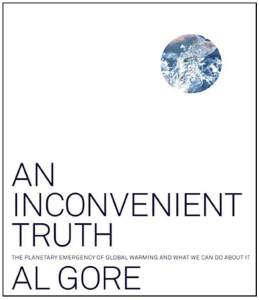
In his best-selling book, An Inconvenient Truth, former Vice President Al Gore argues against the climate crisis and argues that it is imperative that we solve it.
Our climate crisis may, at times, appear to be happening slowly, but it is happening very quickly and has become a true planetary emergency. The Chinese expression for crisis consists of two characters. The first is a symbol of danger; the second is a symbol of opportunity.
Cadbury committee | 1992, London Stock Exchange, en • nl
This report is a milestone in corporate governance. It is 1992. The Cadbury Report about “Financial Aspects of Corporate Governance” has been published. This groundbreaking report – chaired by Sir Adrian Cadbury – led to improvements in governance standards. It was a reaction to the Bank of Credit and Commerce International scandal in 1991.
• Dit rapport is een mijlpaal in het corporate besturing. Het is 1992. Het Cadbury Report over “Financial Aspects of Corporate Governance” wordt gepubliceerd. Baanbrekend – voorgezeten door Sir Adrian Cadbury – en het leidde tot verbeteringen in de normen voor deugdelijk bestuur. Het was een reactie op het schandaal in 1991 bij de Bank of Credit and Commerce International.
The report made specific recommendations on good corporate governance, which it described as ”best practice” or ”code of conduct.”It was highly influential in developing organisational codes regarding external shareholders’ accountability. It is the start of a new line of thinking about good governance, also in the public context. • Het rapport deed specifieke aanbevelingen voor goed ondernemingsbestuur, die het omschreef als “best practice” of “gedragscode”. Het rapport was zeer invloedrijk bij het ontwikkelen van organisatiecodes met betrekking tot de verantwoordingsplicht van externe aandeelhouders. Het is het begin van een nieuwe manier van denken over goed bestuur, ook in de publieke context.
This interview with Sir Adrian Cadbury gives the precise focus and the intention to look further into the essence of corporate governance. • Dit interview met Sir Adrian Cadbury geeft de precieze focus en de intentie om verder te kijken naar de essentie van corporate governance.
The report stipulated “the continuing concern about standards of financial reporting and accountability, … which has kept corporate governance in the public eye.” Some findings and recommendations (a personal selection) tell the story of the search for codes, checks and balances [quote]:
By adhering to the Code, listed companies will strengthen their control over their businesses and public accountability. In so doing, they will be striking the right balance between meeting the standards of corporate governance now expected of them and retaining the essential spirit of enterprise.
Every public company should be headed by an effective board that can lead and control the business.
However, the framework in which auditors operate is not well designed in certain respects to provide the objectivity that shareholders and the public expect of auditors in carrying out their function.
The new system has only recently been established, and its full impact has yet to be felt. In the following paragraphs, we endorse the steps being taken and recommend additional action to strengthen public confidence in the audit approach.
We believe that there should be an extension of the audit, which will add to users of accounts and bring it closer into line with public expectations.
So far as reporting fraud is concerned, the present legal position is that confidentiality is an implied term of an auditor’s contract, and there is a public interest in maintaining confidential client relationships. Normally, therefore, it is the auditor’s duty to report fraud to senior management. However, there is also a public interest in fraud being dealt with expeditiously and this may entail disclosing matters to a proper authority. [unquote]
• Het rapport vermeldde “de voortdurende bezorgdheid over normen voor financiële verslaggeving en verantwoording, … die corporate governance in de publieke belangstelling heeft gehouden.” Enkele bevindingen en aanbevelingen (een persoonlijke selectie) vertellen het verhaal van de zoektocht naar codes, checks and balances [citaat]:
Door de Code na te leven zullen beursgenoteerde ondernemingen hun controle over hun bedrijf en hun publieke verantwoording versterken. Op die manier vinden ze het juiste evenwicht tussen het voldoen aan de normen van corporate governance die nu van hen worden verwacht en het behouden van de essentiële ondernemingsgeest.
Elke beursgenoteerde onderneming moet worden geleid door een effectieve raad van bestuur die de onderneming kan leiden en controleren.
Het kader waarbinnen auditors werken is in bepaalde opzichten echter niet goed ontworpen om de objectiviteit te bieden die aandeelhouders en het publiek verwachten van auditors bij het uitvoeren van hun functie.
Het nieuwe systeem is pas onlangs ingevoerd en de volledige impact ervan moet nog merkbaar worden. In de volgende paragrafen onderschrijven we de stappen die worden genomen en bevelen we aanvullende maatregelen aan om het vertrouwen van het publiek in de controleaanpak te versterken.
Wij zijn van mening dat de controle moet worden uitgebreid, wat de gebruikers van de rekeningen ten goede zal komen en de controle meer in overeenstemming zal brengen met de verwachtingen van het publiek.
Wat het melden van fraude betreft, is de huidige rechtspositie dat vertrouwelijkheid een impliciete voorwaarde is van het contract van een auditor en dat er een algemeen belang is bij het onderhouden van vertrouwelijke relaties met cliënten. Normaal gesproken is het daarom de plicht van de auditor om fraude te melden aan het senior management. Het is echter ook in het algemeen belang dat fraude snel wordt aangepakt en dit kan betekenen dat zaken moeten worden gemeld aan een bevoegde autoriteit. [unquote]
In early 2021, the Netherlands Environmental Assessment Agency published the first Integrated Circular Economy Report (ICER 2021). The report outlines the progress of the transition to a circular economy in the Netherlands. I have summarised this comprehensive, highly informative report, with a focus on the major risks articulated by the authors.
The Dutch government aims to have achieved a fully circular economy by 2050. Monitoring the progress of this transition is essential. The ICER 2021 report is a significant milestone in this process. It highlights the interventions undertaken by the Dutch government to initiate and accelerate the transition to a circular economy, as well as the actions taken by civil society organisations.
Presentation by Jack Kruf with co-presentation by Leen Paape | March 2021
Jack Kruf
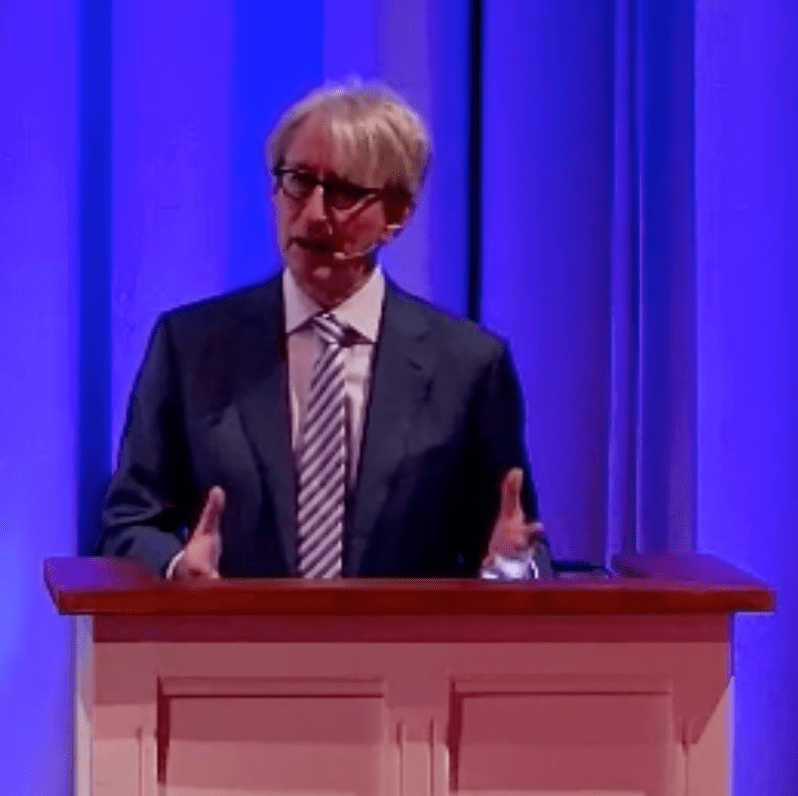
What have we learned from 2020? A reflection as a farewell lecture. Farewell. I felt a bit of resistance whilst shaving this morning. I’m not really one for goodbyes. But anyway, here I am.
Jack Kruf
This will be a plea to give the field of public risk management a boost. But answering the question? That’s not so simple. Geert Mak said it at the launch of his book Great Expectations: “Interpreting history isn’t easy when you’re still in the thick of it.”
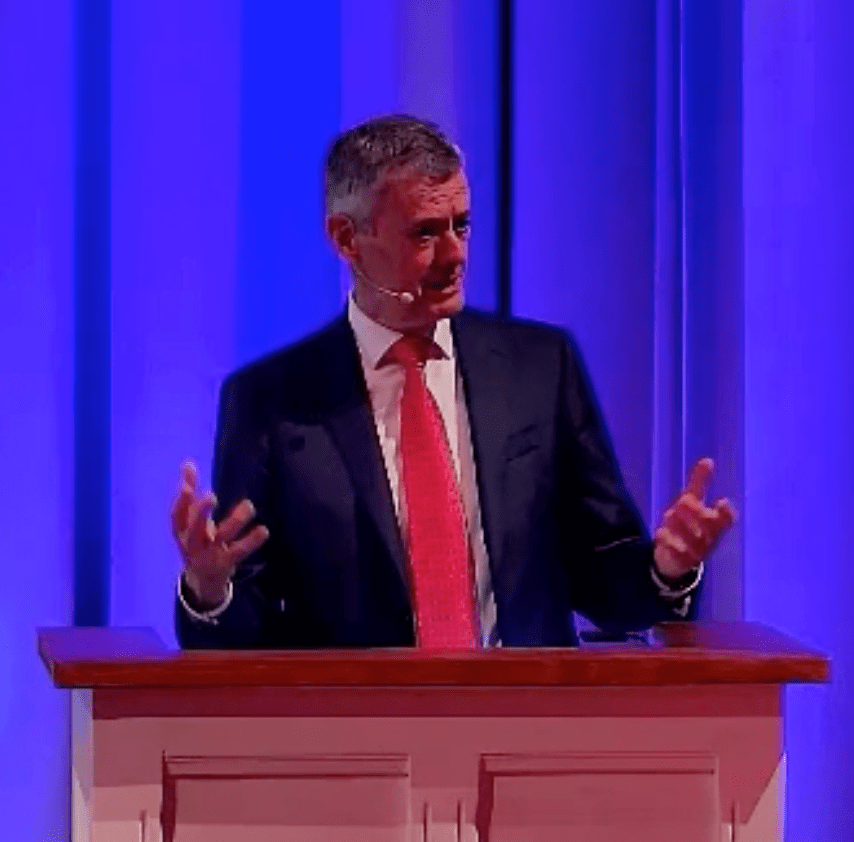
With many friends and colleagues watching on TV, and with my family here at home. It’s lovely to have you all here. I’ll try to shed some light on things. Together with Professor Leen Paape. An honour. It will be a three-part series, taking turns. Three questions are central, followed by a brief conclusion:
What is the issue at the start of 2021?
What is the intervention?
What is the associated governance?
LeenPaape
Professor at Nyenrode following a career that alternated between the public and private sectors. Started at the Military Academy in Breda and, after the Ministry of Defence, briefly worked at KPMG, then KLM, PwC and finally Nyenrode. I have served on an Audit and Risk Committee for the Municipality of Rotterdam and the Ministry of Infrastructure and the Environment, and I now oversee an insurer, a pension fund and a large school organisation.
Leen Paape
My driving forces are accountancy, risk management and corporate governance issues. I have seen quite a few things go wrong and would like to help prevent that from happening.
Jan Willem Dijk, Theo Dijkstra, Eric Frank en Jack Kruf | 4 juni 2015
Over een paradox en de zoektocht. Een essay naar aanleiding van een ronde tafel op uitnodiging van de gemeenten Assen, Groningen en Leeuwarden. Een multidisciplinair gezelschap buigt zich over de volgende vraag: ‘Wat zijn belangrijke waarden in het krachtenveld tussen cijfers en controle aan de ene kant en waarden en vertrouwen aan de andere kant?’
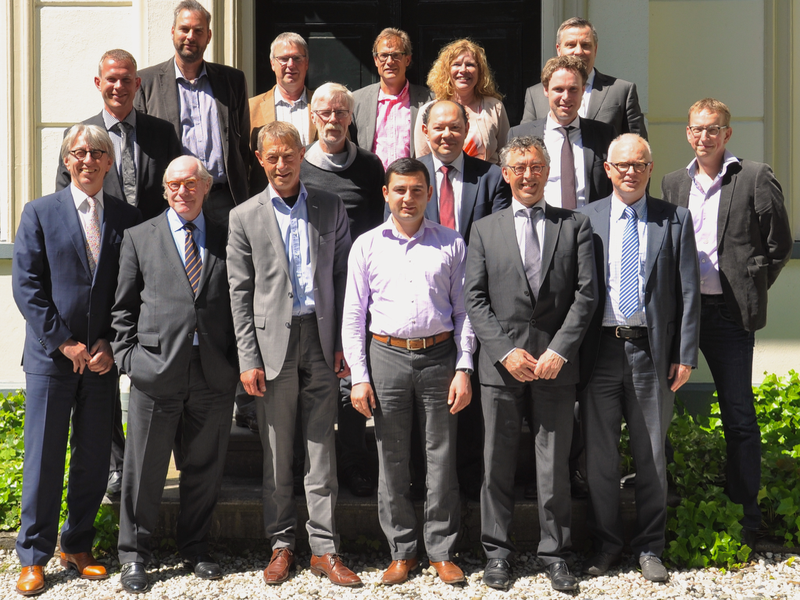
Het gezelschap wordt welkom geheten door Jan Willem Dijk, gastheer namens het PRIMO-lid de gemeente Assen. Noord-Nederland wordt in nieuw perspectief geplaatst. Gespreksleider Jack Kruf begint met een voorstelronde zodat eenieder weet wie aan tafel zit, wat zijn of haar achtergrond is en de fascinatie met het thema. Hij benadrukt de veelzijdigheid in vakgebied (techniek, gemeente, waterschap) en functie (raadslid, wethouder, controller, gemeentesecretaris) deze middag en onderstreept het belang daarvan voor een dialoog die ons kan helpen in het vinden van de weg die leidt van cijfers en controle naar waarden en vertrouwen. Download het verslag (inclusief foto’s).
De deelnemers aan de Ronde Tafel. Tweede rij v.l.n.r.: Theo Dijkstra (gemeente Groningen én Assen, alleen deze dag), Lucas-Jan Hooykaas (Wetterskip Fryslân), Theo Berends (gemeente Eemsmond), Kees Swagerman (gemeente Oldambt), Wouter Slob (gemeente Medemblik), Arnold van Kampen (gemeente Rotterdam), Jeltje Hoekstra-Sikkema (gemeente Terschelling), Atze Dijkstra (Samenwerkingsverband Noord-Nederland), Harry Bevers (gemeente Leeuwarden). Eerste rij v.l.n.r. Jack Kruf (PRIMO Europe), Eric Frank (PRIMO Nederland), Huibert van Wijngaarden (RISNET), Ilhan Tekir (gemeente Utrecht), Arie van Eck (gemeente Rijssen-Holten), Jan Willem Dijk (gemeente Assen), Kees Tillema (Universiteit Groningen).
De gespreksleider licht kort toe hoe de vereniging PRIMO is ontstaan. Op 1 april 2005 is in Straatsburg de vereniging opgericht door de Europese Vereniging van Gemeentesecretarissen (UDITE). Op 6 oktober 2006 volgde de oprichting van PRIMO Nederland door de toenmalige Bank Nederlandse Gemeenten (BNG), Ministerie van Binnenlandse Zaken en Koninkrijksrelaties (BiZa) en de Vereniging van Gemeentesecretarissen (VGS). Hij gaat kort in op het toenemend belang voor en de behoefte van publieke leiders en managers aan resultaatsturing en het management van risico’s daarbij. Risicomanagement wordt steeds meer gezien als een integraal onderdeel van goed publiek bestuur.
PRIMO is erop gericht kennis te delen over de grenzen van landen, regio’s en gemeenten heen. Er valt veel van elkaar te leren. Welkom bij deze ronde tafel, waar vrijuit gesproken moet worden.
Uitgereikt te Rotterdamop 18 september 2020 aan Paul Hofstra.
The board of PRIMO Netherlands and the board of PRIMO Europe have awarded the PRIMO Risk Management Award 2019 to Paul Hofstra for his courage and leadership at the intersection of public value, public risk and governance.
Paul Hofstra
The award is based, on the one hand, on his mature leadership as a board member and director of the Rotterdam Court of Audit and, on the other, on his professional contributions to the precise and essential application of the principles of risk management, as set out, for example, in the reports Heat Without a Pipeline and Public Value Under Pressure.
 PRIMO Res Publica