Ministerie van Binnenlandse Zaken en Koninkrijksrelaties (BZK) | 2022
De Staat van het Bestuur biedt elke twee jaar een beeld van hoe het decentrale openbaar bestuur in Nederland ervoor staat. Het bundelt actualiteiten, trends en ontwikkelingen en combineert de functie van langjarige monitoring en signalering voor de kortere termijn.
Naast de constanten die het openbaar bestuur in Nederland kenmerken, toont de Staat van het Bestuur 2022 een beeld van een openbaar bestuur dat vanuit verschillende kanten onder druk staat. Internationale, economische, ecologische en maatschappelijke ontwikkelingen en crisissituaties stellen het bestuur voor uitdagingen in een omgeving waarin het vertrouwen in de politiek onder druk staat en er beperkte middelen beschikbaar zijn. In het decentraal bestuur zelf neemt de versnippering toe en is ook het verloop onder bestuurders en volksvertegenwoordigers groot.
In deze context werpen het themahoofdstuk in de Staat, van de hand van Albert Jan Kruiter, en de essaybundel Realiserend bestuur: daadkrachtig en responsief hun licht op een bestuur dat een bijdrage levert aan de oplossing van maatschappelijke problemen: het realiserende bestuur. De perceptie en waardering van een bestuur dat realiseert en ‘presteert’ zijn dynamisch. Het is tijd- en plaatsgebonden en ook in hoge mate politiek bepaald. In deze essaybundel wordt hier vanuit verschillende invalshoeken naar gekeken.
Bibliografie
Ministerie van Binnenlandse Zaken en Koninkrijksrelaties (2022). Staat van het Bestuur 2022. BZK.
Ministerie van Binnenlandse Zaken en Koninkrijksrelaties (2023). Realiserend bestuur: daadkrachtig en responsief. BZK.
Strategie als gedeelde betekenisgeving door de Nederlandse waterschappen
Myrthe van Delden, Johan Oudega, Martijn van der Steen en Marise van ’t Wout | 2023
In 2023 zijn er opnieuw waterschapsverkiezingen in Nederland. In de aanloop naar die verkiezingen voerden de waterschappen met elkaar een strategisch gesprek over de uitdagingen die er op waterschappen afkomen, over de kansen die er liggen en over de onzekerheden die er zijn. Ze zijn in gesprek gegaan over hoe waterschappen, vanuit hun sleutelrol in het veilig, leefbaar en veerkrachtig houden van Nederland, zich het beste zouden kunnen organiseren en profileren. Om met dit gesprek de publieke waarde waar ze voor staan ook in een sterk veranderende tijd te blijven realiseren.
Het verkennen van de toekomst en het ontwikkelen van strategie om daar mee om te gaan, betekent het omgaan met inherente onzekerheid. De toekomst ‘is’ nog niet. Er kunnen geen metingen over verricht worden en het is ook nooit met zekerheid te zeggen hoe de toekomst zal zijn. Dat betekent dat het nodig is om de onzekerheid in alle mogelijke vormen te onderkennen.
Hoe verbindende bestuurskundigen (kunnen) inspelen op maatschappelijke vraagstukken
Tom Overmans, Marlies Honingh & Mirko Noordegraaf (red.) | Boombestuurskunde.
Het vakgebied bestuurskunde heeft zich de afgelopen jaren bewezen. Via opleidings- en onderzoeksprogramma’s, academische netwerken, internationale verbanden, publicaties, symposia en prijzen wordt gewerkt aan de versterking van het openbaar bestuur. Door de jaren heen is het bereik van bestuurskundigen gegroeid. De bestuurskunde draait niet enkel om de overheid, maar richt zich tevens op maatschappelijke dienstverlening, publiek-private samenwerking, coproductie van beleid en diensten en publieke waardecreatie. De laatste tijd werken bestuurskundigen bovendien aan maatschappelijke impact.
Deze bundel gaat een stap verder. De auteurs laten zien dat het tijd is voor een meer ‘maatschappelijke’ bestuurskunde, die zich nadrukkelijker en zichtbaarder richt op de analyse en aanpak van maatschappelijke vraagstukken. Dat is meer dan ‘maatschappelijke impact maken’. Dat is je verbinden aan andere academische disciplines en maatschappelijke velden, waarin de aanpak van concrete issues centraal staat. Denk aan klimaatadaptatie, duurzame landbouw, energietransitie, migratie, wonen, kansengelijkheid, georganiseerde misdaad, houdbare zorg en digitalisering.
Sinds de invoering van het Besluit Begroting en Verantwoording 2004 (BBV 2004) is risicomanagement bij gemeenten volop in beweging. De structurele verankering van risicomanagement vraagt echter om blijvende aandacht en omvat meer dan het uitvoeren van een eenmalig ‘kunstje’ of het opstellen van een weerstandsparagraaf.
De vraag is hoeveel inspanning het kost om risicomanagement in goede banen te leiden. Veel kleinere gemeenten vragen zich dan ook af waarom er, gelet op de eenvoudige structuur van de organisatie, een heel systeem moet worden ingericht, terwijl de risico’s in de weerstandsparagraaf zijn benoemd. In dit artikel zal worden beschreven hoe het proces van risicomanagement eruit ziet en waarom het belangrijk is om dit bij elke gemeente toe te passen.
Implementatie hoeft geen belemmering te zijn
Wat de schrijvers laten zien, is dat door het slim inzetten van een aantal instrumenten de totale inspanning, om risico’s beheersbaar te houden, beperkt kan blijven. Vervolgens zal met behulp van een concreet praktijkvoorbeeld worden beschreven op welke wijze risicomanagement binnen de gemeente Westvoorne wordt aangepakt.Elke gemeente moet invulling geven aan het BBV 2004. Zo dient beleid te worden vastgesteld hoe met risico’s en risicomanagement om wordt gegaan. Tevens dient men jaarlijks een weerstandsparagraaf op te stellen in de beleidsbegroting waarin de benodigde weerstandscapaciteit wordt onderbouwd. Door middel van de implementatie van risicomanagement kan blijvend aan deze eisen worden voldaan.
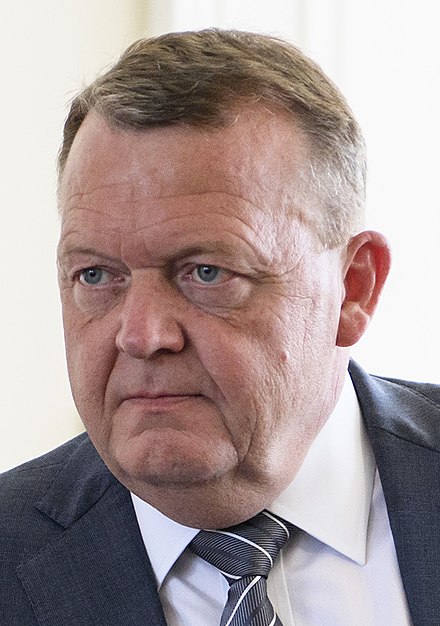
In January 2007, PRIMO Danmark launched its national guide on (public) risk management, Risikoledelse – En Kommunal Opgave. The guide was endorsed by the Danish Minister of Interior, Lars Løkke Rasmussen, who wrote the first part of the preface to the guide.
Lars Løkke Rasmussen (source: Wikipedia)
Rasmussen: “Every day, local authority managers make decisions involving risks; that is, decisions involving significant uncertainty. It is important to note that these may be risks facing citizens, local communities or the local authority organisation itself.
Risk is simply a condition of life when the future is uncertain. To put it in another way: making important decisions on an uncertain foundation is also part of overall management. Executives can never be entirely certain about the foundations of their decisions. However, if entirely risk-proof decisions were possible, nothing would happen.
So, for executives, the whole secret is – in the words of Kierkegaard – to take upon one self this uncertainty. Executives in the public sector should, therefore, work systematically on minimizing the negative sides of risks and on maximising the positive sides.
Interview with Dr. Lynn Drennan, CEO of ALARM, about risk management
Jack Kruf | 2023 from original (Dutch) by Jos Moerkamp (2006)
Great Britain is the European example of well-developed risk management in the public sector. In a country where you can insure yourself against almost anything, governments and other public organisations appear to do a lot to eliminate and limit risks.
She has only been in office since August this year, but Lynn Drennan has been active in risk management for many years. She was affiliated with Glasgow Caledonian University, ‘the only university in Europe that offers a university degree in risk management,’ says Drennan. “And that since 1982. Many of our graduates now work as risk managers in the corporate world, for consultants such as Marsh and Aon and for public organisations.”
In het openbaar bestuur staat het professioneel managen van waarden, doelen en performance centraal. Zij die als vertegenwoordigers van het volk gekozen zijn om het land, de provincie of de gemeenten te besturen staan daarbij voor een verantwoordelijke opgave. Factoren als robuustheid, focus, realisme, veerkracht, weerstandsvermogen, alertheid, wendbaarheid, innovatiekracht en openheid spelen een grote rol bij het effectief kunnen uitoefenen van de bestuurstaak. Een persoonlijke reflectie inzake de ‘good governance’ van het publieke domein.
‘K’ (Kilo) staat voor “I wish to communicate with you” (bron: Internationale Seinboek*)
Het durven adresseren van externe trends en ontwikkelingen die zich als kansen of bedreigen aandienen alsook het (zelf) kennen van de eigen (nee, geen pleonasme hier) sterkten en zwakten zijn relevant bij het bereiken van de vele goede voornemens en ambities. Waarden kiezen en mogelijke afwijkingen (risico’s) en scenario’s bij de diagnose de revue laten passeren alvorens tot een gewogen besluit te komen horen bij het vak van besturen. Zou je zeggen.
Vanuit het perspectief van waarde- en risicosturing maak ik enkele reflecties bij het regeerakkoord 2017-2021. Hieronder kunt u dit lezen. Het is een boekwerkje dat niet alleen historisch interessant is, maar ook omdat het alle spelers, factoren en processen van het ecosysteem ‘stad’ benoemt. Het gaat over de wereld zoals die zou moeten werken en als alles meezit, ook daadwerkelijk werkt.
Ons feilbare denken
Er zijn boeken volgeschreven en vele wetenschappelijke publicaties uitgebracht over de kwaliteit van besluiten die onder onzekerheid zijn genomen. Dit is zo’n tijd. Sommigen zeggen dat we leven in onzekere tijden, we spreken van omslagpunt, paradigmashift, tijdsgewricht en zelfs van de kanteling van de samenleving wordt gesproken.
Wij maken tegenwoordig ook onderscheid tussen de leefwereld van mensen en de systeemwereld van instituties en regels en wij vinden dat deze werelden uit elkaar aan het groeien zijn, debatteren over ‘onze’ verdraaide organisaties en meten het tanend vertrouwen van burgers in bestuurders. Hoe zit het eigenlijk met ons klimaat, wat is zeker en wat onzeker? Waar of niet waar? Politici staan in de uitleg van cijfers tegenover wetenschappers, wie nu te geloven? Nieuwe ontwikkelingen op het gebied van cyber, kunstmatige intelligentie en robotisering tasten privacy, veiligheid en werkgelegenheid aan. Hoe zit dat precies met de nieuwe wetgevingen die worden uitgerold als golven op een strand?
Er is een scala aan onzekerheden. Zijn ze goed verwoord in dit regeerakkoord? Of zijn zij onderkend bij de totstandkoming ervan? Communicatie is belangrijk, weten wij. Het toverwoord. De burger hijst in elk geval de vlag uit het Internationaal Seinboek. De ‘K’ van Kilo en “I wish to communicate with you”.
Onzekerheden worden door de (menselijke) geest niet gemakkelijk geadresseerd, benoemd of gedeeld. Hard wired noemt de winnaar (2002) van de Nobelprijs voor de economie Daniel Kahneman dat. In zijn boek Ons Feilbare Denken schrijft hij uitgebreid over de kwaliteit van beslissingen die onder onzekerheid genomen zijn. Daarbij gaat hij ook in op de invloed van overmoed, ijdelheid en zelfoverschatting op de uiteindelijke kwaliteit van te bereiken waarden, die daardoor kunnen veranderen in risico’s. Hij duidt het patroon dat vaak realisten als pessimisten worden weggezet door leiding of establishment. En, zegt hij, we hebben een hekel aan pessimisten. Wij houden van optimisten, zo werken onze hersenen. Realist zijn kan dus ook zomaar je baan kosten. Zeurpieten zijn het, die realisten. Hij verwoordt dit meesterlijk.
Het is een mechanisme dat al zo’n 300.000 jaar aanwezig is in ons brain, aldus Kahneman. Die realisten, zegt hij, zijn niet altijd welkom als er een besluit genomen moet worden, om welke reden dan ook. Welnu. Hoe was de samenstelling van de groep tijdens de formatieperiode en de totstandkoming van het regeerakkoord zelf? Ik zou graag achter de schermen hebben willen kijken hoe de echte samenstelling is geweest, onderverdeeld naar optimisten, pessimisten, realisten of gewoon zeurpieten.
Wetenschapper Nassim Nicholas Taleb onderlijnt in zijn boek De Zwarte Zwaan de overtuiging dat de mens niet (genetisch) capabel is om zaken betrouwbaar in te schatten. Dat is nogal wat. Hij onderbouwt het met vele voorbeelden. Eén van zijn conclusies formuleert hij als volgt:
We concentrate on things we already know and time and time again fail to take into consideration what we don’t know. We are, therefore, unable to truly estimate opportunities, too vulnerable to the pulse to simplify, narrate, and categorize, and not open enough to rewarding those who can imagine the “impossible”.
Zo kijkend naar het regeerakkoord ligt het voor de hand dat er ruimte moet zijn om onzekerheden toe te laten in de besluitvorming, ook de komende jaren. Het is onwaarschijnlijk en zelfs onaannemelijk dat het regeerakkoord op louter zekerheden gebaseerd kán zijn. Waar zijn de onzekerheden? Waar is stilgestaan bij het ‘onmogelijke’, in zowel positieve als negatieve zin?
Open mind
Het vanuit deze invalshoek beschouwen van de politiek-bestuurlijke setting en gemoedstoestand áchter het regeerakkoord en vooral die in het publieke domein (de samenleving) zelve met al haar betrokkenen kan verrijkend werken en nieuwe inzichten opleveren voor een kwalitatief goede uitvoering van het regeerakkoord. Het kabinet doet er, beschouwd vanuit de lessen van Kahneman en Taleb, wijs aan niet een verdedigende houding aan te nemen, maar naar voren te stappen en ten behoeve van de uitvoering de hand te reiken aan hen die weten hoe het weefsel van de samenleving eraan toe is en weten wat wel en wat niet werkt. Het regeerakkoord hoeft niet te leiden tot een afstraffing op de pijnbank van oppositie en media of straks bij de volgende verkiezingen door de kiezer. Zo is het de PvdA vergaan, maart jongstleden. De houding van openheid en het durven adresseren van de eigen onzekerheid kan louterend werken, die tegenwind kan doen luwen, nieuwe deuren openen en voorkomen dat vele goede stuurlui aan wal blijven staan.
Effectiviteit en haalbaarheid van beleid
De ervaringen, diagnoses, studies, surveys van de afgelopen 15 jaar gerelateerd aan sturing van publieke risico’s – bijvoorbeeld door Lloyds’ 100 Resilient Cities, World Economic Forum, Europese Vereniging van Gemeentesecretarissen UDITE en PRIMO Europe, leiden tot het algemene beeld – schrik niet -, dat een substantieel deel van de politiek-bestuurlijke voornemens niet of slechts ten dele wordt geïmplementeerd. Dat geldt ook voor de beoogde bereiking van effecten. Een uitgebreide Europese discussie twaalf jaar geleden onder gemeentesecretarissen in Kopenhagen leidde tot de conclusie dat 12% van het geformuleerde beleid tot realisatie komt en daarvan is 25% effectief. De ambitie van politiek reikt vaak veel verder dan de voorhanden en beschikbare capaciteit en organisatiekracht om te (kunnen) leveren. Bij dat laatst vielen op de percentages 100% aan wensen en 8% voor capaciteit.
12% van het geformuleerde beleid komt tot realisatie
Er is ook het beeld dat veel projecten te krap worden gepland in tijd en financiering en dat de gemiddelde budgettaire overschrijding 25% bedraagt. De Noord-Zuidlijn ging zelfs van de aanvankelijk inschatte 643 miljoen euro en de metro rijdend in 2005 naar een recente prognose van 3.7 miljard euro en de metro rijdend in 2018. En is nog steeds niet afgerond. De spoortunnel in Delft kwam uiteindelijk uit op 553 miljoen, bijna een verdubbeling ten opzichte van het oorspronkelijke budget van 270 miljoen.
Kunnen we niet plannen, zou je denken? Dat kunnen we wel, maar andere krachten spelen vaak een rol. Krachten waarbij politiek-bestuurlijke ambitie een grote rol speelt, alsmede segmentatie van kennis en denken, een gebrekkige schakeling tussen de verschillende overheidsniveaus, fragmentatie in belangen. Kahneman noemt in zijn boek diverse voorbeelden hoe de mechanismes van zowel bewuste als onbewuste ex ante onderschattingen werken.
Alle reden dus om kritisch te zijn op de uitvoerbaarheid van dit akkoord. Niet vanuit de rol van kritikaster, remmer in algemene dienst of zelfs sarcast (‘Ze doen maar wat daar in Den Haag’, zeggen toch nog al wat mensen), maar als meedenker en betrokkene, vanuit het geloof dat democratie kán en móet werken. Er is genoeg goede wil in Nederland. Voorwaarde is wel dat onze publieke leiders zichzelf open durven te stellen voor deze kritiek en bereid zijn én het vermogen hebben een setting te creëren die verdieping en betrokkenheid mogelijk maakt. Collega Hans Redert duidt dit laatste als ‘stimulerende kaders’. Dan worden zij tot de rentmeesters die elke samenleving hard nodig heeft. Mijn moeder zei altijd: “Luister naar hen die je lief zijn.”. Dus: luister naar de kiezer.
Gouden driehoek
Vanuit het gezichtsveld van ‘good governance’ verdient dit akkoord de professionele toets of de gouden driehoek van publieke sturing – zijnde stimulerende kaders, organisatiekracht én investerend vermogen – in Nederland daadwerkelijk aanwezig is. Als één van de zijden van de driehoek ontbreekt, wordt het niks. De stimulerende kaders van het regeerakkoord zijn complex samengesteld, soms verdund of aangelengd ten opzichte van de initiële politieke standpunten zoals verwoord in partijprogramma’s, dit vanwege het feit dat meerdere partijen samen willen en moeten regeren. Deze kaders zijn voor mij soms moeilijk te ontdekken in het gesloten pact. Over organisatiekracht zelf wordt weinig gesproken in het regeerakkoord, behalve dan dat men ervan uitgaat dat het er is. Dat is nobel, maar uitermate onzeker. Over het investerend vermogen en de effecten op de staatskas zijn de meningen zeer verdeeld. Spannend dus.
Vertrouwen komt te voet komt en vertrekt te paard
Wij weten allemaal, dat vertrouwen te voet komt en te paard vertrekt. Uit de berichtgeving van de afgelopen jaren in eigenlijke alle media, blijkt dat veel van wat is bereikt door het vorige kabinet mede is toe te schrijven aan het herstel van de wereldwijde economie maar dat een ander deel, zoals de decentralisaties in het sociaal domein, de zorgen voor goede zorg en de effectieve sturing alleen maar zijn toegenomen.
Op onderdelen piept en kraakt het domein in haar voegen, wordt geworsteld in de wijkteams, stijgt het ziekteverzuim, is de werkdruk zeer hoog en komt de beoogde schakelkast om als één geheel te werken niet echt van de grond. En last but not least komen de financiën maar niet in de grip en drukken bij een deel van de gemeenten inmiddels zwaar op de gemeentelijke begroting. Ook de kwaliteit van het gemeentelijk opdrachtgeverschap zal absoluut een impuls moeten krijgen de komende jaren, waarbij de zorginstellingen breder en meer coherent kunnen worden aangestuurd dan vanuit de huidige zakelijk en soms kil gevoelde inkoop-cultuur, die wij over Nederland hebben uitgerold.
De transformatie is halverwege en moet volgens experts nog jaren worden doorontwikkeld naar een Sociaal Somein 2.0. Die gevoelde notie mis ik in het regeerakkoord. Feiten ook. Sommige processen zoals die van de Persoons Gebonden Budgetten zijn destijds mooi bedacht, maar blijken inmiddels zeer fraudegevoelig (ideaal voor witwaspraktijken), zijn administratief gebrekkig ingericht en leiden tot veel individuele kopzorgen.
Hoe laten de huidige demissionaire ministers hun toenmalige ambities financieel achter? Is dit afgehecht of ingecalculeerd? Ik weet het niet zeker. De tegenvallers ten gevolge van de noodzakelijke momenten van bijsturing zijn er immers geweest. Die risicoinschatting zie ik nergens terug. Waarom evalueren we het gevoerde beleid toch eigenlijk zo slecht? Bang om afgerekend te worden? Wellicht. Maar leren van fouten is uiteindelijk veel beter. Zij vraagt om een open cultuur. Smart public governance.
Het uitdenken van en het ex ante toetsen van de haalbaarheid van uitvoering van nieuwe mechanismen moet toch echt anders kunnen, zou je denken. Dit lijkt de Achilleshiel van de overheid te zijn. De wetenschappelijke en goed uitgewerkte lessen van het nieuwe design-denken kunnen ons daarbij helpen en moeten in mijn ogen in dit regeerakkoord ook ruim baan krijgen. Modern denken ook.
Een dichtgetimmerd akkoord voor 4 jaar bij grote dynamiek?
Welnu, een dichtgetimmerd akkoord brengt vanuit de permanente dynamiek, die wervelt rondom de gouden driehoek, grote risico’s met zich mee in haar doelbereiking, is gevoelig voor systeemfouten, omdat de politiek-bestuurlijke aannames over de uitvoering over de jaren heen onvoldoende blijken. Het dichttimmeren van akkoorden in een dynamische wereld is dan ook vragen om problemen.
De gouden driehoek dient immers permanent te worden bewaakt en vernieuwd. Voortschrijdende inzichten en nieuw ontwikkelingen zullen zich onvermijdelijk aandienen. Daar moét ruimte voor zijn. Darwin schreef lang geleden al over “survival of the fittest” (lees: hij/zij die zich het beste aanpast, overleeft). Dat geldt ook voor landen. Publieke leiders met deze open houding krijgen vanzelf vertrouwen van burgers en bedrijven. De flexibiliteit van het aanpassen is voor mij wat moeilijk te ontwaren in dit akkoord.
Een governanceparagraaf
Een goede governanceparagraaf – hoe op het regeerakkoord gestuurd gaat worden – zou het document kunnen verrijken en het keurslijf van harde afspraken verzachten. Daarbij zijn expliciete keuzes voor vernieuwende governance-concepten hard nodig om nieuwe kansen te kunnen pakken. Nieuwe vormen van publiek-publieke en publiek-private samenwerking kunnen krachtige instrumenten zijn om tot realisatie te komen. Daar moet op gestudeerd worden. Sommige doelen vragen echt om nieuwe engineering en om verrassende verbindingen tussen de diverse wetenschappen.
Het regeerakkoord gaat nu heel veel over inhoud, minder over de bijbehorende in governance. De genoemde gouden driehoek vraagt om vernieuwing naar een meer samenhangende benadering ervan. Bestuurskunde, filosofie, antropologie, ethiek, design, wiskunde, sociale psychologie – om er enkele te noemen – wachten om samengebracht te worden op voorliggende vraagstukken. Meer multidisciplinair ook vanuit de praktijk. Het betrekken van mensen van alle geledingen om tot oplossingen te komen is hard nodig.
Een governance die vak- en exportgebieden verbindt, is een flankerend concept voor het succes van het regeerakkoord. De tijd is rijp voor transdisciplinaire en ketengerichte methoden en technieken in governance. Die komen niet zomaar tot stand. Het kabinet zou daar prikkels voor kunnen geven. Moeten geven.
De tijd in het openbaar bestuur is rijp voor transdisciplinaire en keten-gerichte methoden en technieken
Mijn eerste indruk van dit regeerakkoord is dat het bestaat uit een groot aantal tactisch-opererationele besluiten en voorstellen. Het krijgen van overzicht en inzicht vond ik lastig. Samenhang, onderlinge verbanden, een guidance is daarvoor niet echt bijgeleverd. Een leeswijzer voor de burger evenmin. Er komt ook geen afbeelding of grafiek voor in het regeerakkoord die mij daarbij zou kunnen helpen. Het is alleen tekst, 70 pagina’s vol. Voor visueel ingestelde mensen, wordt het dan lastig om inzicht te krijgen in de samenhang. Plaatjes helpen, altijd. Over communicatie gesproken. Er is geen enkele poging gedaan om het akkoord toegankelijk te maken voor mij als burger.
Het regeerakkoord voelt daardoor wat ongewis, hoe concreet de voornemens in nobelheid en oprechtheid ook zijn. Een deel van de kiezers zal in mijn ogen te maken krijgen met de verrassende consequenties van dit regeerakkoord. Ook het kabinet heeft mijns insziens dit overzicht van consequenties niet op alle punten. Ik kan nergens lezen hoe de maatregelen zijn doorgerekend, onderbouwd, voorzien van scenario’s en op waarschijnlijkheid en impact zijn gescoord. Er zijn de afgelopen week vele interpretaties geweest van het regeerakkoord. Dat is een eerste teken. Het palette van de toonzetting is tevens divers. Een gedegen samenhangende paragraaf over de governance van het regeerakkoord kan dus wonderen doen, het document een upgrade geven, de verbindingen leggen waar nodig en de uitvoerbaarheid sterken.
Onverwachte zaken
Bijzonder is te noemen dat er toch nog al wat onverwachte maatregelen in het regeerakkoord zitten. Politiek moet voorspelbaar zijn. Als burger heb je gestemd op een partij. Als blijkt dat in het compromis de zuiverheid van je keuze wordt aangetast, is dit wel een dingetje. Verrassende versnellingen, vertragingen of afbouw van rechten, die niet eerder zo zijn gedeeld, zijn toch lastig. De democratie werkt zo vervreemdend, brengt de nabijheid van politiek in verkiezingstijd verder weg omdat zij gaande de rit is veranderd in een bestuur op afstand, dat koele maatregelen neemt en daarbij uit de dialoog met de kiezer is gestapt. Van het gevoel van betrokken kiezer verandert het in het beeld van een pion te zijn op een immens groot schaakbord. Het leidt in het diepste wezen niet tot het beoogde vertrouwen, omdat de verbinding verloren is gegaan, ergens in de afgelopen zeven maanden. Het regeerakkoord verwordt in dat gevoel tot een contradictio in terminis. Hoezo vertrouwen!?
… van betrokken kiezer tot pion op een immens schaakbord …
Het regeerakkoord is nu een compromis tussen vier heren die elkaar het ja-woord hebben gegeven, maar is geen compromis tussen de kiezers die hen hebben gekozen noch van de onderliggende principes en kernwaarden zelf. De komende maanden zullen de nieuwe leiders ons moeten overtuigen van niet alleen de aard van dit compromis, maar ook van de kracht ervan. Zij zullen zich ook democratisch moeten verantwoorden voor aard en inhoud van het proces dat tot dit compromis heeft geleid en dat zo lang achter gesloten deuren heeft plaatsgevonden. Met de installatie van een regering begint in mijn ogen dit proces van verantwoording pas echt.
Nederland als HRO?
De wetenschappers Frans E. Weick en Kathleen M. Sutcliffe beschrijven in hun boek Managing the Unexpected het concept ‘High Relability Organisation’ (HRO). Daarin verwoorden zij dat de top van succesvolle organisaties echt luistert naar haar medewerkers. Het bestuur en management van dergelijke organisaties plaatst de deskundige centraal in haar bedrijfsvoering. Immers alleen hij/zij weet hoe strategie en beleid in de praktijk echt (uit)werken omdat er direct contact is met de klant.
De BV Nederland kan ook beschouwd worden als een organisatie. Indien zij een High Reliability Organisation zou willen worden of zijn, dan dient volgens de principes van dit concept, het betrekken van hen, die daadwerkelijk de uitvoering voor hun rekening nemen, substantieel te zijn. En in het verlengde daarvan co-creatie met de klant, of in dit geval burger en bedrijf. Dat zou mooi zijn.
Daarover staat echter weinig in het regeerakkoord. Het concept van HRO vereist leiders, die echt luisteren en op basis daarvan acteren én bijsturen. Fouten maken mag. Verbeteringen worden snel doorgevoerd op basis van een gezamenlijke foutenanalyse. Er wordt nooit versimpeld in het vinden van antwoorden en altijd open kaart gespeeld. Dialoog is cruciaal. In hoeverre het huidige regeerakkoord deze ruimte biedt is mij nog niet duidelijk. Het wordt spaarzaam genoemd. Wij weten dat het vertrouwen van burgers in de politiek al significant laag is en dat slechts 2% van de Nederlanders lid is van een politieke partij. Dan ligt er dus een dijk van opgave. Dit kabinet wil met dit regeerakkoord eigenlijk de steven wenden, zo is de oprechte en nobele ambitie. Er ligt een kans, wederom.
Dit regeerakkoord is de eerste proeve van bekwaamheid van het nieuwe kabinet. De sfeer lijkt goed. De ambitie van de factor Vertrouwen in de toekomst is neergelegd. De komende tijd zullen vele burgers en stakeholders zich uitspreken over de waarde van het regeerakkoord. Zij zullen het onderstrepen, toejuichen, maar ook bekritiseren, verguizen en afwijzen. Dat hoort bij democratie. Het ermee omgaan ook.
Rentmeesterschap
Leiders, die voor een regeerakkoord staan zoals dit, dienen, beschouwd vanuit de gezichtspunten van Kahneman, Taleb, Weick en Sutcliffe, oog te hebben voor hen door wie zij gekozen zijn. Leiders ook die dienen te voorkomen dat de door hen gesloten ‘panklare’ akkoorden de dood in de pot worden (bron: Bijbel, Koningen 4:38-41) en niet tot werking komen. Er staat veel op het spel: publieke waarden gaan over de kwaliteit van ons leven en werken, dat van onze kinderen en over het respect voor en omgang met Moeder Aarde en al haar ecosystemen.
De wetenschap, planbureaus en wetenschappelijke adviesraden hebben alle publieke risico’s al uitgebreid beschreven en onderbouwd. Nu het land gaan leiden vraagt – alles overziend – om goed rentmeesterschap, de hoogste vorm van betrokkenheid en prudentie, van handelen vanuit de aangereikte inzichten. Rentmeesterschap is in haar wezen een vorm van dialoog zoekend en (ver)zorgend leiderschap, van volledige verantwoordelijkheid nemen waar je voor staat. Een vorm ook waar inhoud en governance hand in hand gaan en niet als twee losse elementen worden beschouwd. Goed kijken naar het systeem waar je over gaat en de eigen belangen aan de kant schuiven. Haalbaarheid is altijd een uitgangspunt. Het werken vanuit de bedoeling ook. Was het niet Edison die ooit zei, dat een visie zonder implementatie een hallucinatie is. Dat is wel het laatste wat we zouden willen. Op weg nu, samen dus.


 PRIMO Res Publica